
Search results: 415
This module introduces IT project management and control concepts and exposes the student to modern tools and methodologies such as information systems pathology, risk analysis and control using generic risk management criteria, feasibility determination, and identification of opportunities.
Aims:
Course objectives of this course include:
(i)Determination of project key success factors
(ii)Project evaluation techniques such as post-implementation reviews, risk checklists.
(iii)Risk identification and analysis techniques. Such as RAMESES, SEI-SRE, and Riskit).
(iv)Creative problem solving approaches (e.g. Theory of Inventive Problem Solving, TRIZ), and techniques such as the 9 boxes tool the contradiction matrix.
(v)Evaluation of relationship between risks and opportunities
Learning Outcomes:
At the end of this course the student will be able to:
(i)Determine the feasibility of competing IT project implementations
(ii)Measure IT project risk and design mitigation strategies, and
(iii)Measure project performance and perform project reviews
Teaching and learning pattern: Lectures, tutorials and group assignment
Course Contents
(i)Understanding of the PMI framework and it’s set of project management best practices.
(ii)Fluency in IT project management terminology
(iii)Introduction to and analysis of IT Project Life Cycles and SDLC models
(iv)Identification and analysis of why IT projects fail and what skills are required to implement
(v)Practice with the identification of project deliverables, requirements, and objectives.
(vi)Identification and analysis of project stakeholders and project communications.
(vii)Understand and apply Project feasibility measurement techniques
(viii)Understand and apply risk analysis techniques
(ix)Comprehensive understanding of IT project complexity metrics, and
(x)In depth understanding of general systems quality theory and application
(f)Assessment:
(i)Tests and assignments (60%)
(ii)Final written exam (40%)
Reference Books:
(i)Project Management: A systems approach to planning, scheduling and controlling, Harold Kerzner, John Wiley & Sons, 1997 ISBN 0471288357
(ii)Software Engineering Project Management , Richard H. Thayer (Editor), Winston W. Royce, Edward Yourdon, IEEE Computer Society, 1997 ISBN 0818680008
(iii)Project Risk Management: Processes, Techniques and Insights, Chris Chapman and Stephen Ward, 1996 ISBN-10: 0471958042
- Module Team: UMUHOZA Bonheur
- Module Team: Dr. HAKIZIMANA Leopord
- Module Team: Elijah Kihooto Maringa
- Module Team: Makuza Rutishereka
- Module Team: Elijah Kihooto Maringa
- Module Team: Bugingo Emmanuel
The course will provide an overview of the building blocks used to construct distributed systems (for example, programming, security, and service models) and will discuss the trade-offs that arise when distributed systems are scaled to large scale. The course also gives an overview of the main paradigms of distributed systems and computing and studies current examples from the fields of Peer-to-peer, High-Performance, High Throughput, Cloud computing Architecture: Infrastructure, Platforms and Software. Cloud Platform Components for Processing and Storage, Virtual Machines, Scalable Computing Patterns for the Cloud, Cloud Computing Case Studies, Cloud Computing: Concept, Definition, Cloud Types and Service Deployment Models. Concept of Virtualization, Demonstration of Virtualization using Type-2 Hypervisor and VMs, Creating a VM and install Kali Linux on the VM, Demonstration of IaaS, PaaS and SaaS through real life examples, Computer Networks: Concept, Gateway, Router, Local Area Network (LAN), Wide Area Network (WAN).IP Address: Concept, Public IP, Private IP, IPv4, Subnet. AAA (Accounting, Authentication and Authorization): Concept, Real Life Demonstration of AAA. Concurrent execution, Memory management using things like virtual memory and memory allocations, Scalability such as lock-free data structures, File systems, Operating system architecture, Virtualization, Security such as data security, integrity and authentication, The history and experience of systems programming.
- Module Team: Bugingo Emmanuel
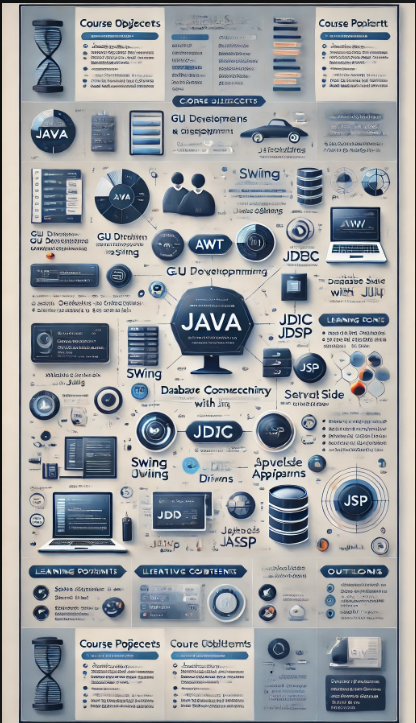
The Advanced Java course is designed to provide students with in-depth knowledge and practical skills in developing robust, dynamic, and scalable Java applications. The course covers a wide range of advanced topics, including graphical user interface (GUI) development with AWT and Swing, database connectivity using JDBC, server-side programming with Servlets and JSP, and integration of JavaBeans for modular applications. Additionally, students will explore the use of modern web technologies such as HTML, CSS, XML, and AJAX in Java-based web applications, while also learning about networking, multithreading, and Java APIs.
By the end of this course, students will have the technical expertise to build sophisticated client-server applications, design advanced GUIs, and integrate databases seamlessly into their Java programs, equipping them with the skills to tackle real-world development challenges.
- Module Team: Bugingo Emmanuel
- Module Team: Samuel UWIZEYE
This course explores advanced techniques in system analysis and algorithm design, focusing on the development, optimization, and evaluation of complex algorithms. Students will gain an in-depth understanding of the theoretical foundations of algorithms and their practical applications in solving real-world problems. The course covers algorithmic paradigms, efficiency analysis, and design patterns, equipping students with the skills to design efficient systems
- Module Team: Bugingo Emmanuel
- Module Team: UMUHOZA Bonheur
- Module Team: Emmanuel NIYONSENGA
The objective of this module is to equip the learner with ability to compute different taxes preparing him/her to be future expert in tax related matters in the market.
- Module Team: Gabriel KAMAU
The module aims to equip the learner with advanced knowledge on taxation including computation of various taxes as guided by tax laws Rwanda.
- Module Team: Gabriel KAMAU
- This course provides an in-depth exploration of advanced web design and development concepts, focusing on both front-end and back-end technologies. Students will learn to design, develop, and deploy enterprise-level web applications using modern frameworks, content management systems, and integration techniques.
- •The course will culminate in a mini-project where students will build a comprehensive Student Management Information System.
- Module Team: Bugingo Emmanuel
- Module Team: FILIPO RUGIRA
This module focuses on the history of political thought, political and social order. Nature of politics in the world, Africa, East Africa and Rwanda in particular. The relationship between politicians and administrators. Multipart Vs. one party state, military government, movement system. Constitution. Parliament Vs. Federal systems. The Rwanda constitution, historical perspective, development, and separation of powers, electoral system, the executive, the legislature and the judiciary.
The Origins of Sociology and Sociological Perspective, Groups, Formal Organizations, Culture, Socialization, its process and Agents of Socialization . Social Control and Deviance, explanations of Crime. Social Stratification, Theories of Class and Stratification, The Family, theory of Gender.

- Module Team: FRANCOIS UWIZEYIMANA
- Module Team: Dr Wilson Gachiri
- Module Team: Jules Sibomana
- Module Team: Angelique DUKUNDE
At the end of this course students will be able to solve the business case
- Module Team: DAVID KABERUKA
Introduction:
- Definition of Economics, Nature and Scope of Economics; Methodology of
Economics-Deduction and Inductive Methods, Price Theoryemand- Law of Demand-
Individual Demand and Market; Utility Theory- Indifference curve analysis;
determinants of supply; Equilibrium analysis- equilibrium price and its
determination; interrelated demand and supply. Elasticity: - Meaning of
elasticity; Price Elasticity of Demand categories, determinants and usefulness;
Income and cross elasticity of demand; Elasticity of supply; determinants and
importance.
Production Theory:- Meaning and forms of production; Factors of production and mobility; Short-run and long run periods in production; Total, average and marginal products; The law of diminishing returns; economics of scale.
The theory of cost: short run and long run costs; Revenue: total average and margin revenue. Market Structures: - Perfect competition; Monopoly; Monopolistic competition; Oligopoly.
- Module Team: Prof Dr.NARAYAN Singh
- Module Team: Theophile Twagirayezu
Having successfully completed the module, students should be able to demonstrate knowledge and understanding of:
i. Solving simultaneous equations
ii. Doing matrix operations.
iii. calculating derivatives and limits.
students should be able to:
To apply various techniques solve some economic and managerial problems.
To teach others some content related to Business Mathematics.
Share skills of business mathematics.
- Module Team: Angelique DUKUNDE
- Module Team: ISHIMWE Olivier Angel Kevin
- Module Team: MUHIRE LEONCE BARIHUTA
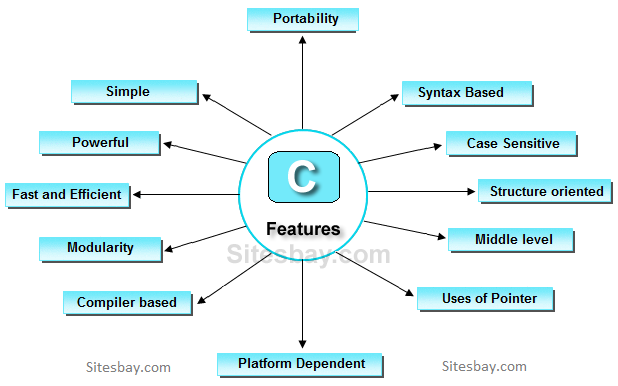
This module is going to focus and expose 1st year UOK students to the most widely used and popular Programming Language and will equip students with general programming principles and programming constructs of C language which can help them to make real life programs and helping develop students’ ability to establish and fulfill their needs in further organizations they may work with. The lectures will introduce the concepts of structured programming. They will also describe some of the practical aspect of C programming. The Laboratories assessments will be supervised by a tutor. Students will try to work sometimes independently and in group to let them digest the problem and to owner the understanding.
 CPROG.PNG
- Module Team: ISHIMWE Olivier Angel Kevin
- Module Team: MUHIRE LEONCE BARIHUTA
- Module Team: Alain Christian Majyambere
- Module Team: Dr. WILSON MUSONI
- Module Team: MERCY NYAKUNDI
- Module Team: Innocent Twagirayezu
C is a programming language developed at AT & T’s Bell Laboratories of USA in 1972. It was designed and written by a man named Dennis Ritchie. This module provides the introduction to the use of the C programming language as an aid to solving mathematical and scientific problems. Students design, write, and implement programs.

- Module Team: Nicholas Katende
- Module Team: Prince Rukundo
Overview of Marketing research: meaning of market research and marketing information system; aims and objectives of marketing research. Attitude (measurement) research.
Market segmentation research. Market and sales analysis research. Product research.
Advertising research. Price research. Distribution research. Elements of marketing research. Scope and uses of marketing research. Functions of marketing research.
Classification of forms of marketing research. Steps in marketing research. Sources of data for marketing research. Sampling and types of Samples.
LEARNING OUTCOMES
Having successfully completed the module, students should be able to demonstrate knowledge and understanding of:
The concept of marketing research
The marketing research process
Sources of research data
Measurement in marketing research
Data analysis
Marketing research Reports

- Module Team: Prof Dr.NARAYAN Singh
- Module Team: MUZUNGU SHYAKA Eric
From this module we shall discuss the following points:
UNIT-I Introduction to Marketing and Marketing Management, Marketing Concepts - Strategic, Management and Marketing Process - Marketing environment. - Consumer Markets and buying behavior - Market segmentation and targeting and positioning marketing mix.
UNIT-II Product decisions - the concept of a product - Product mix decisions - Brand decision - New product development strategies - Product life cycle strategies. UNIT-III Price Decisions - Pricing objectives - Pricing policies and constraints - Different pricing method product line pricing and new product pricing.
UNIT-IV Channel decision - Nature of Marketing channels - Types of Channel flows - Channel functions - Channel co-operation, conflict, and competition - Direct Marketing ¬Telemarketing - Internet shopping.
UNIT – V
Promotion Decision - Promotion mix - Advertising Decision, advertising objective
¬advertising campaign - advertisement effectiveness sales promotion & publicity - Sales
force decision.

- Module Team: MUZUNGU SHYAKA Eric
- Module Team: MUZUNGU SHYAKA Eric
Chapter 1: Definition of entrepreneurship, Advantages of entrepreneurship, Self employment, salaried employment, and their Importance in entrepreneurship.
Chapter 2: Qualities of an effective entrepreneur, functions of an entrepreneur, problems faced by entrepreneurs.
Chapter 3:Steps in entrepreneurial process, sources of business information.
Chapter 4: Phases in the growth of a firm, Business plan, Business opportunities, E-commerce.
Chapter 5: Innovation & entrepreneurship, marketing strategy and business analysis.
- Module Team: Allen INGABIRE
- Module Team: MUZUNGU SHYAKA Eric
The aim of this module is to equip students with a sound understanding of theory building and the research process with emphasis on both quantitative and qualitative applications research methods in management. After completion of the module, students will have the methodological understandings to plan their research project and the necessary skills to conduct the research and report the findings.
Learning Outcomes
knowledge and Understanding
Having successfully completed the module, students should be able to demonstrate knowledge and understanding of:
i. Broad knowledge and understanding of the key principles and theories of research methods.
ii. A broad knowledge of the role played by research methods in economic activities.
iii. Obtaining awareness of the relevance and importance of Research methods.
Cognitive/Intellectual skills/Application of Knowledge
Having successfully completed the module, students should be able to:
iv. Use a range of Research methods approaches to address economic issues.
v. Apply appropriate techniques and methods in collecting , analyze, and interpret data findings.
Communication/ICT/Numeracy/Analytic Techniques/Practical Skills
Having successfully completed the module, students should be able to:
vi. Deploy the key techniques of research methods for analytical purposes.
vii. Use standard ICT applications to process and obtain a variety of information and data.
General transferable skills
Having successfully completed the module, students should be able to:
viii. To transfer research methodology skills to the business community.- Module Team: Prof. Olawumi Awolusi
- Module Team: Faustin Hakizimana
1. Describe how the demand for money is determined
2. Define the theories of the demand for money (classical and Keynesian theories )
3. Present empirical evidence on how the demand for money is affected by changes in interest rates and the level of income

- Module Team: Evaliste GATABAZI
8. Learning Outcomes
Knowledge and UnderstandingHaving successfully completed the module, students should be able to:
cognitive/Intellectual skills/Application of Knowledge
Having successfully completed the module, students should be able to:
i. Explain Canons of public finance.
Communication/ICT/Numeracy/Analytic Techniques/Practical Skills
Having successfully completed the module, students should be able to:
i.Justify measures taken in regards to public finance.
General transferable skills
Having successfully completed the module, students should be able to:
i.Understand the language of public finance.
9.Indicative Content
Definition, scope, characteristics, and importance of public finance,Main objectives of public finance, fiscal operations of the government, meaning of fiscal policy, , objectives and fiscal instruments ,
- Module Team: Prof. Olawumi Awolusi
Corporate finance is concerned with the management of a firms financial resources to achieve its objectives. This module develops students understanding of corporate finance theory and its application to financing and investment decisions undertaken by managers.
- Module Team: Straton NDYAMUBA
- Module Team: Joel GASIGWA
An accounting information system is one that accumulates, stores, and processes financial and
accounting information. The system generates reports that are used to make decisions regarding how
an organization is to be run; These reports are also used by outsiders to evaluate lending and
investment opportunities with the firm. This module will develop your understanding of both the role
of accounting information systems in an organisation and how information technology can support
the activities of the accountant and decision-making.

- Module Team: Serge Mbaraga
This module introduces you to the key concepts in finance, so that real world issues can be explored and discussed. Whilst the module assumes no previous mathematical experience, it does assume a fundamental understanding of accounts . It is also recommended to take this module if you wish to study Financial Management.
- Module Team: Straton NDYAMUBA
- Module Team: Prof Dr.NARAYAN Singh
The course covers the introduction, sourcing strategies, documentation and clearing and forwarding
- Module Team: Peter Kosgei
in this module the learners will be able to know the following
1. Introduction to business finance
2, Valiue for money
3.Source of fund
4.working capital management
- Module Team: Shilpa Chandran R.
- Module Team: Evaliste GATABAZI
- Module Team: Shilpa Chandran R.
- Module Team: Emmanuel NIYONSENGA
- Module Team: FILIPO RUGIRA
- Module Team: Elijah Kihooto Maringa
Course outline
Chapter 1. Business Organizations: Different types of business; advantages and disadvantages; Business organizations and their goals.
Chapter 2: Creating and managing a business:
2.1. Being an entrepreneur/practicing entrepreneurship;
2.2; Business idea and business opportunities;
2.3; Macro and micro screening of business idea;
2.4. Business planning;
2.5. Financing a business plan
2.5.1. Resource mobilization;
2.5.2.Financial goal and financial planning
Chapter 3. Managing organisations: Basic Concepts of Management: Definitions, Need and Scope, Different schools of management thought – Behavioral, Scientific, Systems and Contingency; Different perspectives of management theory.
Chapter 4. Contribution of Management Thinkers: Taylor, Fayol, Peter Drucker and C.K. Prahlad…
Chapter 5. Functions of Management: Different functional areas of business and their inter-relationships, Functions of Manager.
5.1. Planning: Essentials of Planning and Managing by Objectives; Strategies, Policies and Planning Premises; Decision making.
5.2. Organizing: Nature of organizing, Entrepreneuring and Re-engineering; Organizational Structures, Departmentation; Line/staff authority, Empowerment and decentralization; Effective organization and organizational culture;
5.3. Staffing: Human resource Management, Selection, Training and Development; Performance Appraisal and Career Planning Strategy; Managing change through Managers and Organization Development.
5.4. Leading: Human Factor and Motivation; Leadership: Committees, Terms and Group Decision making; Communication.
5.5. Controlling: The system and process of controlling; Control Techniques and Information Technology; Productivity, Operations Management; Total Quality Management.
CONCLUSION
- Module Team: Dr Jean Baptiste Ndagijimana
- Module Team: Elysee Nsengiyumva
- Module Team: Elysee Nsengiyumva

- Module Team: LAURENCE MUGABEKAZI
This module aims to expose a student to build, create, and maintain websites, which includes multiple
functional aspects of web design, web publishing, and web programming. Students will learn UX/UI, coding
languages such as HTML, PHP, CSS and JavaScript and use them to create core structures for frontend
design. By the end of the module students are able to meet industry standards as junior front end developer
and create beautiful and functional static web pages, and work in front-end web development.

- Module Team: Jean Paul NIZEYIMANA
- Module Team: KAMALI SEBAKUNGU
- Module Team: Wellington MUHIRE
- Module Team: Wellington MUHIRE
- Module Team: Makuza Rutishereka
- Module Team: LAURENCE MUGABEKAZI

- Module Team: LAURENCE MUGABEKAZI
All students should attend the module without fail
- Module Team: John NDAMAGE

The course of computer maintenance and repair is designed to equip individuals with the necessary skills and knowledge to diagnose, troubleshoot, and fix hardware and software issues in computer systems.

- Module Team: Jean Paul NIZEYIMANA
- Module Team: Samuel UWIZEYE
This course builds on foundational knowledge of computer networks, emphasizing network access technologies, performance optimization, and security challenges. It covers advanced networking concepts, including congestion control, multimedia and Quality of Service (QoS), queuing theory, buffer management, scheduling policies, and wireless/mobile networks.
Students will explore key aspects of cyber security, such as cryptography, encryption, malware analysis, and digital forensics. The course also introduces network programming, data manipulation, and software tools for secure communication and project management. Practical applications include distributed security systems, repository management, rollback mechanisms, and protection against data loss.
By the end of the course, students will understand modern network architectures, cyber security frameworks, and their impact on system performance and data integrity.

- Module Team: Bugingo Emmanuel
- Module Team: UMUHOZA Bonheur
- Module Team: Dr. Luc Ngend Einstein
- Module Team: FILIPO RUGIRA
- Module Team: nkundukozera emmanuel
- Module Team: Emmanuel NIYONSENGA
- Module Team: FILIPO RUGIRA
- Module Team: Emmanuel NIYONSENGA
- Lecturer: Alain Hakizimana
THIS COURSE....
- Module Team: Makuza Rutishereka
- Module Team: ISHIMWE Olivier Angel Kevin
- Module Team: Alain Christian Majyambere
- Module Team: MERCY NYAKUNDI
in this course we will cover a standard procedure to design and develop a software.
- Module Team: Simeon NDAYAMBAJE

- Module Team: Dr. WILSON MUSONI
THIS COURSE INTRODUCES THE PROGRAMMING CONCEPTS AND HOW A STUDENT CAN CREATE COMPUTER PROGRAMS AND APPLICATIONS
- Module Team: ISHIMWE Olivier Angel Kevin
- Module Team: Alain Christian Majyambere
- Module Team: MERCY NYAKUNDI
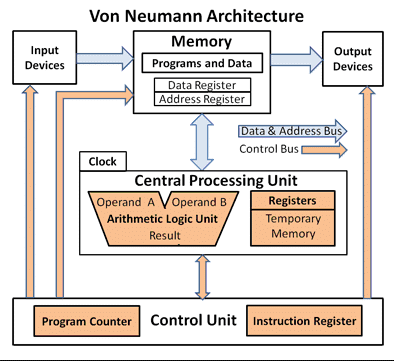
Upon completion of this course a student will be able to describe and discuss computer organization to address today and future challenges. A student will be able to:
Define concepts related to computer architecture and assembly
Define concepts related to computer architecture and assembly
- Central processing unit architectures
- Instruction formats
- Pipelining processes
- Vector processing
- I/o organization
- Interrupts
- Memory organization
- Cpu scheduling processes
- Module Team: MUHIRE LEONCE BARIHUTA
- Module Team: Valence NSENGIYUMVA
- Module Team: MERCY NYAKUNDI
The goal of the course is to give students comprehensive knowledge of advanced issues of management information system. It is aimed at enabling students to analyse the real life problems and explore the possibilities of how a computerized system can help in solving the problems. This goal emanates from the fact that manual Information processing has certain limitations.
Upon completion of the course, students have the following general and professional knowledge, competences and abilities:
o Students will do structured exercises and solve problems.
o Presentation, quiz, debate competitions will be organized and students will be encouraged to participate subject to resource availability.
o Students analyse surrounding environment and find out areas where MIS can solve problems.
o Students will discuss the concepts in peer groups during informal conversation and share knowledge.
Application of management information system principles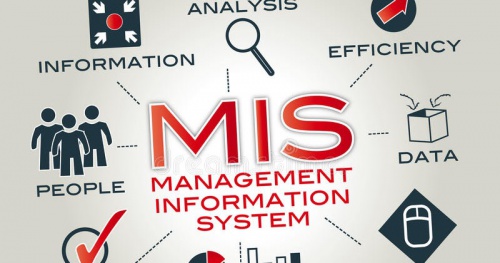
- Module Team: ISHIMWE Olivier Angel Kevin
- Module Team: Alain Christian Majyambere
In this module, students will learn basics of programming with C++, structured and Object Oriented Programming Concepts. They will learn how data abstraction, reusability, inheritance and modularity of code can be enhanced using C++.

- Module Team: MERCY NYAKUNDI
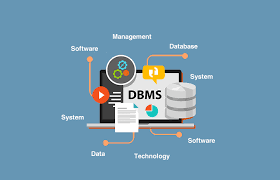
This Database Management Systems (DBMS) course allows students to function as a beginner of system developer, using tools for analyzing the world, accessing and interpreting information, organizing their personal knowledge, and representing what they know to others within the concept of global business today.
This module gives the opportunity to have a meaningful introduction to computer databases. It also offers a quick, visual, and step-by-step approach for learning fundamental concepts of databases. It explains what database is, how it works, connected or incorporated within others and raises broader issues about how the various applications relate to the latest technology and job market.
- Module Team: ISHIMWE Olivier Angel Kevin
- Module Team: MUHIRE LEONCE BARIHUTA
- Module Team: MERCY NYAKUNDI
- Module Team: Dr. Micheal Sanja
This course introduces the concepts of data management and database systems. It focuses on designing and implementing a database management system. Relational database systems, manipulating data with an interactive query language (SQL) are the main focus, but other types, including object-oriented databases, are studied.
- Module Team: Alain Christian Majyambere
- Module Team: MERCY NYAKUNDI
- Module Team: Alain Christian Majyambere
- Module Team: Innocent NDARISHIZE
- Module Team: MUHIRE LEONCE BARIHUTA
- Module Team: Nicholas Katende
- Module Team: Valence NSENGIYUMVA
This module
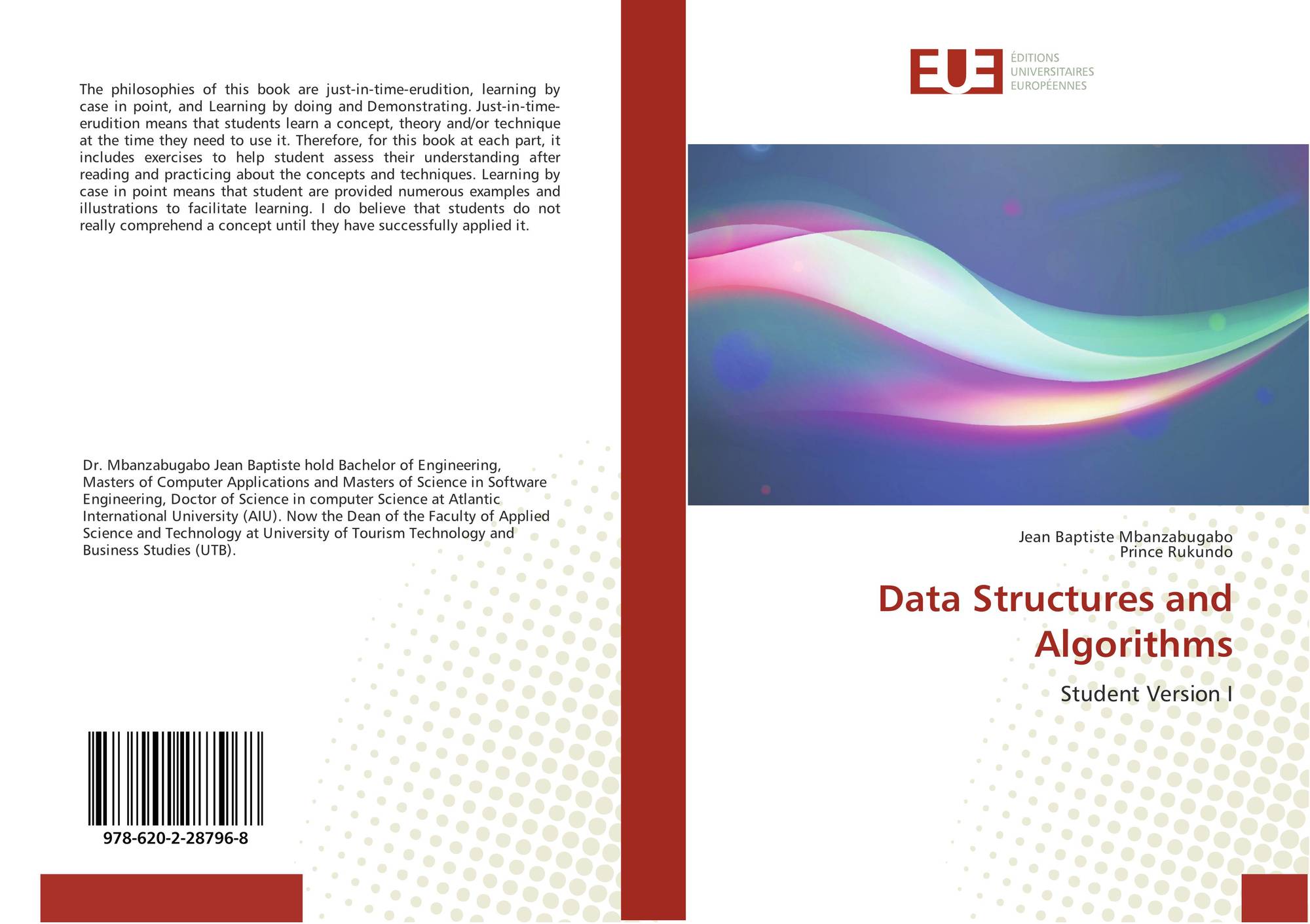
provides an introduction to data structures and algorithms for computer
scientists. The module introduces a number of fundamental and advanced data structures,
including arrays, linked lists, stacks, queues, trees, hash tables and graphs.
These are presented both abstractly, via the notion Abstract Data Types, and
concretely in terms of their implementation in programming framework. The data
structures are discussed and analysed in terms of efficiency of the basic
operations they support and their application to program design problems.
Consideration is given to important, fundamental algorithms for searching, organizing,
manipulating and sorting data also discovery of algorithms so as to solves Hard and Intractable Problems.
.
- Module Team: Dr. MBANZABUGABO Jean Baptiste
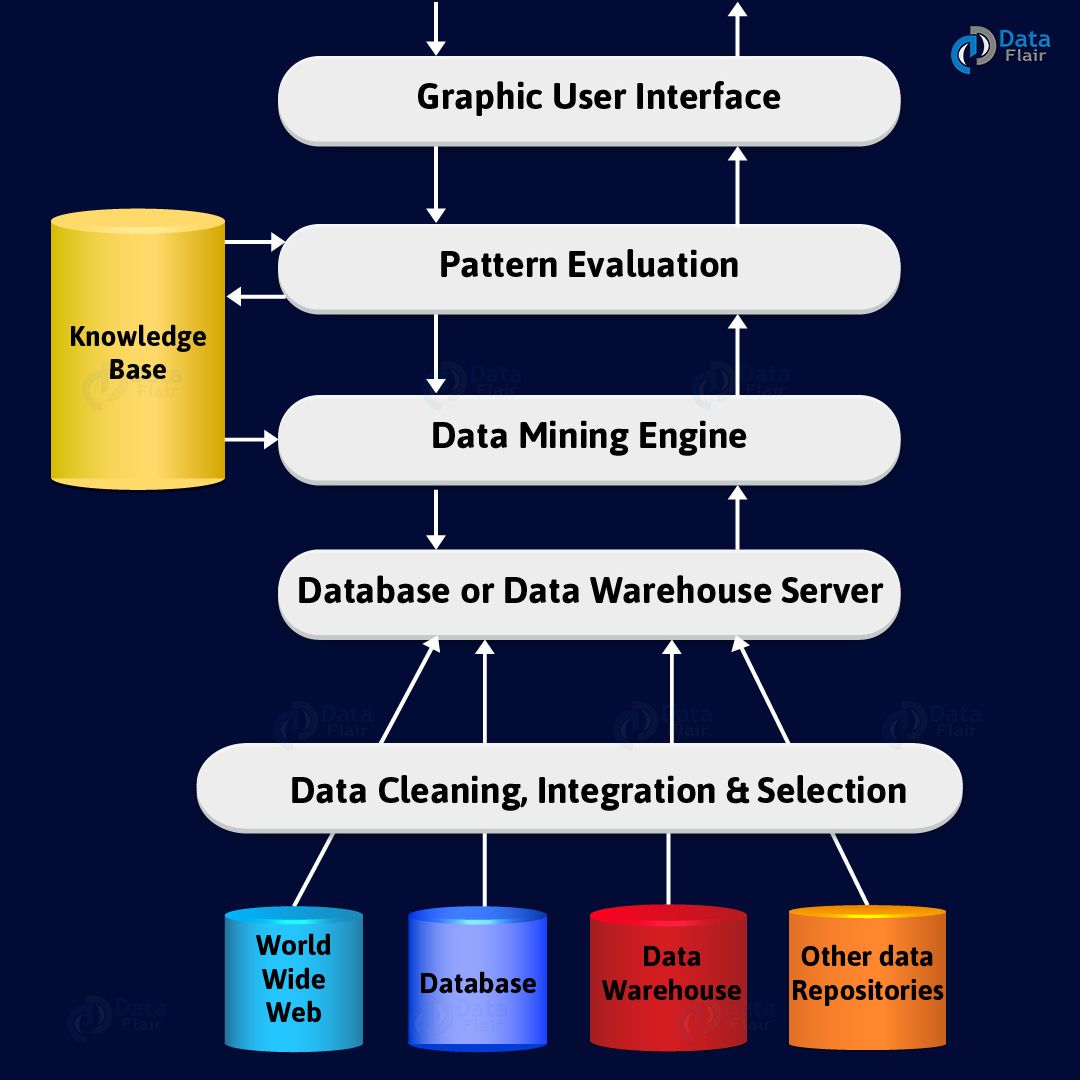
The course, data mining and data warehousing course available for students studying towards acquiring the Bachelor of Science degree in Information Technology.
The overall aims of this course is to introduce you to the concepts of data mining and data warehousing. Other topics that will be discussed include the data mining problems, application of data mining, commercial tools of data mining, knowledge discovery, architecture of data warehousing, data marts, data warehousing lifecycle, data modelling, building of data warehouse, OLAP, MOLAP, ROLAP, data warehousing and future views.
For easy study and assimilation, the book is written in an easy-to-read and lingo free manner. The study material is divided into three modules namely: concepts of data mining, data mining and trends, and data warehouse concepts.
WHAT YOU WILL LEARN IN THIS COURSE
The overall aims and objectives of this course is to provide guidance on what you should achieve in the course of your studies. Each unit also has its own objectives which state specifically what you should achieve in the corresponding unit. To evaluate your progress continuously, you are expected to refer to the overall course aims and objectives as well as the corresponding unit objectives upon the completion of each unit.
This course is subdivided into two parts:
- Data warehouse technology
- Data mining using Machine learning
- logistics regression
- support vector machine
- K Nearest neighbors
- Decision tree
- Module Team: ISHIMWE Olivier Angel Kevin
- Module Team: Simeon NDAYAMBAJE
- Module Team: Prince Rukundo
- Lecturer: UOK eLearning Anonymous
in this module we will focus on:
1.
2.
- Module Team: MUZUNGU SHYAKA Eric
- Customer Service Excellence
- Digital Communication Tools and Service Management
- Service Delivery in Digital Spaces
- Introduction to Office Software
- Lecturer: Prof. Ogechi Adeola
- Lecturer: Nkundabanzi Pacifique
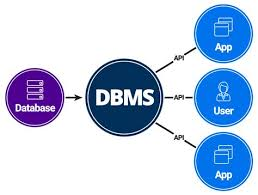
This course provides a comprehensive understanding of Database Management Systems (DBMS), focusing on the concepts, applications, and tools required for effective data management. Students will explore the theoretical foundations and practical techniques used in database design, manipulation, and administration, gaining the skills to create and manage efficient, reliable, and scalable databases.
- Module Team: Bugingo Emmanuel
- Module Team: Serge Mbaraga
The aim of this course is to enable you to be able appreciate the derivative market and management of the treasury. This module involves explaining and valuation of forward contracts, future contracts, Swaps, option contracts and management of the treasury.
Learning Outcomes:
At the end of this module, you should be able to:
1. Explain the different terms used in the derivatives market
2. Compute the forward and future derivatives
3. Apply the knowledge 0f derivatives to value options and Swaps
4. Discuss the treasury management functions
- Module Team: Dr Daniel Twesige
- Module Team: Emmanuel NIYONSENGA
- Module Team: Elysee Nsengiyumva

- Module Team: Samuel UWIZEYE
- Module Team: UMUHOZA Bonheur
- Module Team: Dr. Luc Ngend Einstein
In the modern educational landscape, technology plays a pivotal role in enhancing teaching and learning experiences. With the increasing demand for flexible and remote education, e-learning platforms have emerged as essential tools to ensure effective knowledge dissemination. The University of Kigali recognizes the significance of integrating technology into education and aims to provide its lecturers with the skills and knowledge required to harness the potential of e-learning platforms.

- Module Team: Bugingo Emmanuel
- Module Team: Harerimana Felix
- Module Team: STEPHEN KIMUYA
- Module Team: Jean Paul NIZEYIMANA
- Module Team: Temitayo Ogunleye
- Module Team: Innocent Twagirayezu
- Module Team: FILIPO RUGIRA
This study is intended for students of psychology , those training to work with children in a variety of professional roles, or anyone just interested in understanding how children develop.

- Module Team: FRANCOIS UWIZEYIMANA
Having successfully completed the course, students should be able to:
❖ Describe the functions of culture in early childhood development.
❖ Outline the developmental stages of the child according to Cognitive development theory and Behavioral theory
❖ Discuss the theories of personality and personality traits in a child and how it affects the early childhood development.
❖ Advocate on agents of socialization in
child development.
- Module Team: Samuel KABERA
WORKING THROUGH THE COURSE
This course ECDE 119: Educational Research Methodology in Education expects you to do a lot of reading in
order to cover the content in the course material. It implies that you should devote much time to
this course by reading through this material and getting more information from numerous texts
and journals in research. These abound in every library and from the internet. The course
4
material has been made easy to read and user-friendly. However, you will need to attend the
tutorial sessions where your Facilitator would open your eyes to more information and the
practical techniques involved. You will need to work in groups with other students in order to
discuss, compare notes and thoughts and to exchange ideas and share knowledge.
- Module Team: John NDAMAGE
It is expected that to be able to give function education to children in their early years, we should be interested in them. One way by which we can show this interest in them is to understand them. To understand children we must appreciate certain features that make up their personalities. Note that the making up of one’s personality is a process involving many complex things. One of such complex thing is the focus of this course, and that is Development.
If the interest of the adult taking care of children is to make the children comfort, happy and live a full healthy life in future, then the adult need to understand the developmental stages of the child. Children need comfort, safety, love, warmth, security etc. To be able to provide all these and make them happy and subsequently educate them, the knowledge of child. Development is essential, and I am sure you will enjoy the course.
- Module Team: FRANCOIS UWIZEYIMANA
- Module Team: ISHIMWE Olivier Angel Kevin
- Module Team: LAURENCE MUGABEKAZI
MODULE TITLE: EDUCATIONAL POLICY AND PLANNING
The course examines educational policy issues in an international context and takes students through issues like educational planning in comparative perspective and education in a changing global context. It addresses the influence of Information Communication Technology (ICT) on learning strategies, management of learning within organizations ant the potential of evaluation to influence organizations and people to be more goal effective.
Indicative Content:
Globalization and education: Education and Growing global market, Benefits and challenges of globalization for education, Impact of globalization on classroom management
Objectives of Education Policy: Development of human resource through access to education without discrimination, Promotion of culture and Peace, Dispense moral, intellectual, Social, Physical and Professional education, Promote Science, Technology and Information and Communication technology,
Essentials of Education Policy: Access, Quality and Relevance as Parameters of Education Policy; Considering education as a sector, Planning and management in short to medium term, Participation of different partners, Balancing access, quality and relevance, providing access to women and children from poor families and rural areas, ICT education as an essential component.
Policy for Special Needs: Policy to cover needs of vulnerable sections such as physically and mentally challenges, disabled, orphans, street children, girls, suffering from HIV/AIDS.
Management of Educational Institutions: Management of all type of Educational Institutions such as Primary education, Secondary Education, Vocational and Technical education, Professional education, Higher education on sound Professional lines; Cultural, Social and economic parameters
Institutional Arrangement for Compliance: Higher Education Council (HEC), National Examination Council (NEC); National Curriculum Development Center (NCDC); National Quality Control System (NQCS);
Financing of Education: Finances for private sector educational institutions; Finances for students such as scholarship, Bursary, Education loan etc; Needs, Issues and Challenges.
Education Policies and Systems of different Countries: Education policies and systems in developed and developing countries; Modernization without Westernization: the Chinese education experience.
PART II : Educational Planning
a) The concept of planning: meaning, importance and characteristics of planning
b) Planning stages
c) Planning steps
d) Advantages of planning
e) The concept of educational planning
f) Meaning and root to educational planning
g) Focus and characteristics of educational planning
h) Approaches to educational planning:
• the social demand approach
• the man power requirement approach
• the cost-benefit analysis approach
• the tracer studies approach
• the labor market approach
• the cost effectiveness analysis approach and
• the sector wide approach
i) Criticisms to old approaches to educational planning
j) The concept of Strategic Planning: Meaning, origins of and characteristics
k) Roots to education
l) Stages of strategic planning
PART III: Educational Administration
a) The concept of Educational Administration
b) The concept of theory
ü The development of administrative thought
ü Classical school of thought
ü Human relations school of thought
ü Behavioral science school of thought
ü Post-behavioral science approach
c) Schools as open systems
d) The learning organization and its impact on the operation of schools
Books:
Cornoy, Martin. “Globalization and Educational Reform: Engine of Development in the New World Economy”
Salmi, Jamil and Vespoor, Adrian M. Revitalizing Higher Education. Pergamon Press
Green, Diana. (2002). What is Quality in Higher Education? Open University press.
Hernes, Gudmund. “Social Trends and Challenges for Education” in medium term plan 2002 - 2007. International Institute for Educational Planning, UNESCO
Rust val D. ‘Education policy studies and comparative education’. Oxford.
Alexander, M Osborn and D. Phillips. Learning from Comparing. Volume Two. Policy, Professionals and Development. Oxford: Symposium Books.
Blankstein, Alan M. Failure is Not an Option: 6 Principles for Making Student Success the ONLY Option, 2nd ed. (Thousand Oaks, CA: Sage, 2010).
Darling-Hammond, Linda. The Flat World and Education: How America’s Commitment to Equity Will Determine Our Future (New York: Teachers College Press, 2010).
English, Fenwick W. (ed.). The SAGE Handbook of Educational Leadership (Thousand Oaks, CA: Sage, 2005).
Erdem, A. R. (2007). “Strategic Planning at the State’s Education Institutions Serving ‘open and distance education’, which are of Nonprofit Concern. Turkish online journal of distance education-tojde, issn 1302–6488, volume: 8 number: 1.
Firestone, William A., and Carolyn Riehl (eds.). A New Agenda for Research in Educational Leadership (New York: Teachers College Press, 2006).
Fullan, Michael. Leadership & Sustainability: System Thinkers in Action (Thousand Oaks, CA: Corwin Press, 2005).
Haddad, D. W. & Demsky, T (1995). “Educational Policy-Planning Process: An Applied Framework”. Fundamental of Educational planning. Paris UNESCO: International Institute for Educational Planning.
Hellriegel, D., Jackson, S. & Slocum J. W. (2005). Management: A Competency-Based Approach (10th Edition). Thomson, Southwest Publishing.
International labour Organization. (n.d). Internal and external evaluation for project: Guidance note. From: http://www.ilo.org/wcmsp5/groups/public/---ed_mas/---eval/documents/publication/wcms_167056.pdf
Kathleen, A. (2003). Strategic Planning in the University. Paris, University of Wisconsin System Board of Regents. Retrieved from http://oqi.wisc.edu/resourcelibrary/uploads/resources/Strategic%20Planning%20in%20the%20University.pdf, accessed 3rd March 2014.
Kaufman, R. Herman, J. (1991). Strategic Planning in Education: Rethinking, Restructuring, Revitalizing. Lancaster: Technomic Publishing Company.
Kilfoil, R. W. (2003). Strategic Planning in Distance Education. Washington: Distance Education and Training Council.
Miech, J.E. (n.d). The Rise and Fall of Strategic Planning and Strategic Planning in Education, New York: Free Press http://hepg.org/her-home/issues/harvard-educational-review-volume-65-issue-3/herarticle/_310, accessed 10th May 2014.
Mittenthal, A. R. (2010). Ten Keys to Successful Strategic Planning for Nonprofit and Foundation Leaders. From: http://www.tccgrp.com/pdfs/per_brief_tenkeys.pdf.
Obeng, k. & ugboro, i. (n.d). The characteristics of effective strategic planning in public transit systems.
Recklies, O. (2008). “Problems and Barriers to Strategic Planning”. ORGMASZ, Vol 1(1); p. 3-11.
Skrla, Linda, Kathryn Bell McKenzie, and James J. Scheurich. Using Equity Audits to Create Equitable and Excellent Schools (Thousand Oaks, CA: Sage, 2010).
The Enterprise Foundation. (1999). Effective Strategic Planning. The Enterprise Foundation, Inc.
Touwen, A. (2001). Handbook for Projects: Development Management and Fundraising. Geneva: International Federation of University Women.
Tyler, M. C. (2007). “A fundamental choice: internal or external evaluation?” Evaluation Journal of Australasia, Vol. 4 (new series), Nos. 1 & 2, March/April 2005, pp. 3–11.
UNDP. (2009). Handbook on Planning, Monitoring and Evaluating for Development Results. New York: UNDP.
UNESCO. (2010). Strategic Planning Concept and rationale: Education Sector Planning Working Paper 1. , Paris: IIEP. Retrieved from www.iiep.unesco.org. Accessed on 10th May 2014.
United States Environmental Protection Agency. (2003). Strategic Planning: A Handbook for Small Water Systems ,One of the Simple Tools for Effective Performance (STEP) Guide Series. From: www.epa.gov/safewater.
Varkey,P & Bennet, E. K. (2010). Practical Techniques for Strategic Planning in Health Care Organizations. From: http://www.himss.org/files/HIMSSorg/content/files/Code%2039-Practical%20Techniques%20for%20Strategic%20Planning_ACPE_2010.pdf.
Weinstein, L., Paul, R Williams, S. (2007). “Use of Baldrige Assessment Techniques in Strategic Planning and Assessment for Arts Administration in Higher Education”. International Journal of Arts Management, Vol. 9, No. 3, pp. 34-49.
This module aims at enabling the students to understand and critique measurement and evaluation, describe the principles, methods, and techniques of different roles of measurement and evaluation and the contemporary practices in evaluation considering current research and professional experience. It also aims at enabling students to apply, pass and interpret the different theories of measurement and evaluation.
- Module Team: Prof. Abdulrazaq Oniye
This module examines educational policy issues and planning at local and international context. It takes students through issues like educational planning in comparative perspective and education in a changing global context. It addresses the influence of Information Communication Technology (ICT) on learning strategies, management of learning within organizations ant the potential of evaluation to influence organizations and people to be more goal effective during policy and planning process.
- Module Team: Dr. Amini NGABONZIZA Jean de Dieu
The course
examines educational policy issues in an international context and takes
students through issues like educational planning in comparative perspective
and education in a changing global context. It addresses the influence of
Information Communication Technology (ICT) on learning strategies, management
of learning within organizations ant the potential of evaluation to influence
organizations and people to be more goal effective.
Indicative Content:
Globalization and education: Education and Growing global market, Benefits and challenges of globalization for education, Impact of globalization on classroom management
Objectives of Education Policy: Development of human resource through access to education without discrimination, Promotion of culture and Peace, dispense moral, intellectual, Social, Physical and Professional education, Promote Science, Technology and Information and Communication technology,
Essentials of Education Policy: Access, Quality and Relevance as Parameters of Education Policy; Considering education as a sector, Planning and management in short to medium term, Participation of different partners, balancing access, quality and relevance, providing access to women and children from poor families and rural areas, ICT education as an essential component.
Policy for Special Needs: Policy to cover needs of vulnerable sections such as physically and mentally challenges, disabled, orphans, street children, girls, suffering from HIV/AIDS.
Management of Educational Institutions: Management of all type of Educational Institutions such as Primary education, Secondary Education, Vocational and Technical education, Professional education, Higher education on sound Professional lines; Cultural, Social and economic parameters
Institutional Arrangement for Compliance: Higher Education Council (HEC), National Examination Council (NEC); National Curriculum Development Center (NCDC); National Quality Control System (NQCS);
Financing of Education: Finances for private sector educational institutions; Finances for students such as scholarship, Bursary, Education loan etc; Needs, Issues and Challenges.
Education Policies and Systems of different Countries: Education policies and systems in developed and developing countries; Modernization without Westernization: the Chinese education experience.
- Module Team: Dr Jean Baptiste Ndagijimana
- Module Team: Prof. Abdulrazaq Oniye
To be aware of the basic concept and significance of educational technology.
To apply the latest technological innovations in the process of teaching-learning.
To acquire the skills of handling and managing latest sources of information to enrich the quality of education. \
CONTENT
Unit 1: Meaning and Nature of Educational Technology
Unit 2: Approaches to Educational Technologies
Unit 3: Communication Technology
Unit 4: ICT in Education
Unit 5: Web Based Instruction and E-Learning Unit 6: Interactive Technology

- Module Team: Valence NSENGIYUMVA
In this module EIGHT major units would be covered viz:
- Module Team: Prof. Abdulrazaq Oniye
Welcome to the University of Kigali! This is an Entrance English test for you!
This entrance English test assesses your English reading, writing, listening and speaking skills. Please observe the following instructions:
- All queries should be directed to the invigilator; do not communicate or attempt to communicate with any other candidate
- You have one hour to complete this paper. You are not allowed to leave the examination room within the first hour and in the last 15 minutes of this examination.
- Mobile phones and smart watches are not allowed in Examination Room.
- Module Team: Dr. Jean de Dieu Dushimimana
The Course is designed
to be delivered to all level 2 students. This module will focus on learning how the English language manifests at work. The aim will help students to
familiarize language used in different fields including; Business English, English for Lawyers, English for Science and Technology, and Academic English. The practice will involve experimentation with reading, listening, speaking, and writing of English in specific fields More specifically, writing will mainly focus on tasks and
exercises involving the mechanics of essay writing. In addition, practical
exercises will be related to students’ areas of study.

- Module Team: Prof. Dr. Wasajja Kiwanuka
- Module Team: Dr. Amini NGABONZIZA Jean de Dieu
- Module Team: Virginie Mukasonga
final defenses of the students
- Module Team: ISHIMWE Olivier Angel Kevin
- Module Team: MUHIRE LEONCE BARIHUTA
- Module Team: Dr. WILSON MUSONI
This Course Introduces students to:
1. Financial Accounting principles
2. Financial Reporting approaches
3. Application of Financial Accounting
- Module Team: Dr. MAHAZI KASOZI KATO
- Module Team: Dr. Thomas Tarus
- Module Team: Shilpa Chandran R.
- Module Team: FILIPO RUGIRA
Dear students,
you are welcome in this course of Financial mathematics offered by the University of Kigali. I assure you that you will enjoy this course.
I thank you in advance for your usual cooperation.
Regards
- Module Team: Dr. Richard Kabanda
This module helps the learner to appreciate different accounting entries, preparation of final accounts according to IAS 1 and other IAS standards.
- Module Team: Gabriel KAMAU
- Module Team: Emmanuel NIYONSENGA
This module helps the learner to appreciate different accounting entries, preparation of final accounts according to IAS 1 and other IAS standards.
- Module Team: Gabriel KAMAU
- Module Team: Shilpa Chandran R.
This module empowers the learners with techniques necessary for analyzing the financial performance of organizations based on the financial information provided in the financial statements. It will help the learner become analytical and be able to assess the financial viability of organizations.
- Module Team: Gabriel KAMAU
The course introduces the tools used in analysing financial statements, ratio analysis, common size analysis time series analysis and cross-sectional analysis.
- Module Team: Shilpa Chandran R.
- Module Team: STEPHEN KIMUYA
Dear esteemed students welcome to this class of Foundation Mathematics.
- Module Team: Ndikubwimana Jean Bosco
UNIT1 CONTENT
UNIT2 CONTENT
UNIT3 CONTENT
UNIT4 CONTENT
UNIT5 CONTENT
- Module Team: Prof. Abdulrazaq Oniye
- Module Team: Cyriaque HAKIZUMUREMYI
- Module Team: Dr.Kwena Ronald
FUNDAMENTALS OF PROJECT MANAGEMENT (SEPTEMBER 2021) EVENING BY DR KWENA
Having successfully completed the module, students should be able to:
i. Define a project
ii. Identify the characteristics of a project;
iii. State the responsibilities of a Project Manager
iv. Explain why projects would go wrong
v. Explain the major constraints on a project
vi. Discuss the major issues in the project life cycle
Identify the tools and technologies for project management.- Module Team: Dr.Kwena Ronald
This course addresses the issues of Gender, matrimonial regimes, liberalities and successions. The module has two units. The first unit gives the historical backdrop to the laws of successions in this country, namely customary law and written law. It also examines the link between marriages and successions. The course furthermore deals with the link between matrimonial regimes, liberalities and gender issues. The second unit deals with the relationship between gender and law and to the legal concept of equal opportunity in relation to gender. It helps students to understand gender bias in its various forms and the role of law in addressing such bias. The course will analyze laws geared to allow gender equality and the law relating to discrimination and Gender issues in the Rwandan legal and judicial system; and domestic violence. Therefore, a student at the end of this course is expected to understand the notion of gender especially in regard to the principle of equality and the promotion of the human rights of women.
- Module Team: Dr.Jean de Dieu ZIKAMABAHARI
- Module Team: KAMALI SEBAKUNGU
This course gives an overview of the criminal phenomenon and how society had chosen to handle the issues raised by criminality. It is intended to be an overall introduction.
- Module Team: Idi Gaparayi
After completion of this course, the student should know the role of substantive criminal law and how it is different from other related courses.
The student should also know the role of criminal law and criminal procedure in a democratic society, including basic concepts such as the principle of legality and its consequences.
Furthermore, the student should understand the structure of crimes, their penalties, and the causes affecting the criminal responsibility, such as defenses, mitigating circumstances and mitigating circumstances.
- Module Team: Dr.Jean de Dieu ZIKAMABAHARI
- Module Team: Temitayo Ogunleye
The module presents information on the history of education, it explores the nature of education- similarities and differences in educational systems of selected countries Africa and other parts of the world. It examines the origin and development of the education system from the pre-independence to post independence era. It also introduces students to concept of philosophy, schools of thought in philosophy, philosophical issues in education, theories of learning and reasoning skills as propounded or explained by philosophers.
- Module Team: Prof. Abdulrazaq Oniye
The module explores the similarities and differences in selected education systems in Africa and other parts of the world. It examines the origin and development of the education system from the pre-independence to post independence era. It also introduces students to philosophical issues in education, theories of learning and reasoning skills.

- Module Team: FRANCOIS UWIZEYIMANA
- Module Team: Dr. Jean de Dieu Dushimimana
- Lecturer: Willber Ncondo
- Module Team: Marthe MUHIMPUNDU
The compensation and rewards as received by employee is proportional to the effort exerted by them.
Besides, several other internal and external factors determine the financial as well as non-financial compensation for them.
Within compensation and reward scenario there are few levels denotes the role and status of employees.
Basically, these levels are based on the parameters of skill, knowledge, capabilities and qualifications of human resources.
Within present HR scenario, different organisations are much devoting their personnel efforts to manage and maintain their compensation and reward system.
Learn about:-
1. Objectives of Compensation and Reward Management
2. Classification of Compensation and Reward Management
3. Determinants
4. Evolving Strategy
5. Different Levels for Payments
6. Approaches
7. Important and Worthwhile Trends
8. Strategy and Design Issues
9. Emerging Compensation and Reward System in an Organisation.
- Module Team: Dr. Anthony Uwaya
ICT in project managemt
- Module Team: Bugingo Emmanuel
- Module Team: Prof. Madichie Nnamdi
- Module Team: Makuza Rutishereka
- Module Team: Dr. Peter Kalimba
- Module Team: Elijah Kihooto Maringa
- Module Team: Marthe MUHIMPUNDU
Internet Architecture and Protocol-MSCIT613
- Module Team: UMUHOZA Bonheur
- Module Team: Dr. HAKIZIMANA Leopord
- Module Team: Dr. Luc Ngend Einstein
- Lecturer: Nkundabanzi Pacifique
introduction to pubblic administration
- Module Team: LAURENCE MUGABEKAZI
At the end of this module learners should be able to;
Know the concepts of accounting with there principles
Know the accounting equations, double entry system
Trial Balance and books of accounting
Bank reconciliation statement
Errors and how to correct them

- Module Team: Evaliste GATABAZI
Philosophy begins in a sense of wonder, a wonder about the very world itself and our own conspicuous existence in it. This class is an introduction to the field of inquiry that arises out of this sense of wonder, and it is an invitation to the student to convert that sense of wonder into specific questions and ways of addressing those questions.
The questions we will consider focus on the possibility of truth and value, the existence of God, ethics, metaphysics, epistemology, Logic and aesthetics, and theory of mind. Questions like: How is knowledge possible and what justifies our beliefs? Is there a God? Do we have free will? What is the nature of mind and how does it differ from matter? How should we treat one another, what is of value, and how should we live our lives? The ways of addressing these questions will be through reading original works of philosophy, discussing openly and impartially these works with one another, critically examining the ideas presented, and developing our own thoughts about the issues under discussion
- Module Team: Eugenie MUTETERI
This Module is meant to explain the role of diverse concepts and
theories of Psychology and their application in classes or school context as
well as in every day life to teacher in-training and show the interrelationship between the
cognitive processes thereby enabling these would be teachers or those already in practice but working to acquire more relevant skills to develop creative abilities and problem
solving skills among them (as learners). It is hoped that they would be able to utilize or apply knowledge on learning
theories for an effective teaching and learning process in their workplace. The Module is intended also to enhance the teaching/learning process
base on the concept of learning, transfer of learning, motivation, attitudes,
classroom management; memory and forgetting. in the long it is anticipated that teacher-trainees exposed to this Module would be able to demonstrate understanding of the ways and
means of developing the skills of critical
thinking among learners. It is therefore in the light of the above that this
course is designed to enrich teachers with more knowledge and understanding of
cognitive processes and other factors influencing teaching and learning from behavior point of view..
- Module Team: Prof. Abdulrazaq Oniye
- Module Team: Cyprien SIKUBWABO
|
Program |
Finance, Accounting, BIT, BBIT, Marketing, Procurement, PALG |
||||||||||
|
Faculty |
Business Management and Economics |
||||||||||
|
Module code |
BAC 113 |
||||||||||
|
Lecturer |
Names: Mrs.UWIHIRWE Régine Tel: 078 328 09 53 E-mail: ruwihirwe@uok.ac.rw Consultation hours:5:00p.m to 6:00p.m Monday to Thursday |
||||||||||
|
Period |
Start Date: March-April 2021 |
||||||||||
|
Programme |
Day-Evening & Weekend |
||||||||||
|
Study cycle |
Undergraduate |
||||||||||
|
Study Trimester |
1 |
||||||||||
|
Modulestatus |
Optional |
||||||||||
|
Amount of credits and distribution of hours |
|
||||||||||
|
Admission preconditions |
No prerequisite needed |
||||||||||
|
Purposes of the module |
To develop the learners understanding of the following: · Principles of book-keeping and accounts · The ability to maintain books of accounts and · Preparation of financial statements
|
||||||||||
|
Learning outcomes |
By the end of the course unit the student should be able to: · Compile accounting data · Prepare financial statements · Interpret accounting information · Use accounting information in decision making. |
||||||||||
|
Knowledge and understanding |
Having successfully completed the module, students should be able to: · Apply Principles of book-keeping and accounts · Have the ability to maintain books of accounts · Apply the introduction to Financial Accounting knowledge in any working environment |
||||||||||
|
Applying knowledge
|
- Apply a relevant theoretical framework in planning, conducting and supervising innovative research projects. |
||||||||||
|
Making judgments
|
- Evaluate the usefulness of bookkeeping principles in a particular organization and how they contribute to the overall performance; - Understand and be able to match the decision-making process with preparation of final accounts by clearly identifying the relevance of them to each step of the process. - Critically analyse raw data and interpret it using a relevant theoretical and practical framework. |
||||||||||
|
Communication skills
|
Having successfully completed the module, students should be able to display practical communication skills related to: - Incorporate accounting professional terminology while communicating their views orally or in writing; - Communicate with colleagues and management by explicitly stating their opinion on introduction to Financial Accounting at discussions, seminars, conferences, meetings, etc.; - Present complex data and analysis in a clear and concise manner by using appropriate information and communication technologies.
|
||||||||||
|
Learning skills
|
Having successfully completed the module, students should be able to share skills related to: - Principles of bookkeeping and accounts in any business organization - Preparation of final accounts in any working environment - Interpretation of accounting information in any working environment |
||||||||||
|
Values
|
- Being diverse in the sense of dealing with people with different backgrounds, mainly students with language barriers. - Being a learner-centered class. - Build Self-confidence - Time-keeping - Team work |
||||||||||
|
Content (the content of the teaching for each day will be outlined)
|
Day 1 : Lesson one:Introduction to Financial Accounting Contents: · General Introduction · Definitions and meanings of accounting, · Branches of accounting · The Nature and Purpose of Accounting · Users of Accounting Information · Qualities of useful Financial Information · Review Questions
Required readings: · Wood, Frank, Business Accounting (17th Edition), International Thompson. Pages 3-5, 82-93. · Honrgren and Sundem, G. L, Introduction to Financial Accounting, (6th Edition), New York; Prentice Hall. pages 6-12
Day2 and 3: Lesson two:Recording business transactions Contents: · Introduction · Accounting Concepts and Conventions · Accounting cylce · Components of accounting equations · Double Entry Aspects · Accounting for Sales, Purchases, Incomes and Expenses. · Returns Inwards and Returns Outwards
Required readings: · Wood, Frank, Business Accounting (17th Edition), International Thompson. Pages 5-14,15-52. · Honrgren and Sundem, G. L, Introduction to Financial Accounting, (6th Edition), New York; Prentice Hall. pages 6-12, 44-45 · Heinz and Party,College Accounting, (18th Edition).pages 6-12. Day 4: Lesson two (continued) · Accounting for Drawings, Discounts Allowed and Discounts Received. · General Journal · Ledger · Trial Balance · Review Questions & Exercises Day 5 and 6: Lesson three: Source documents and books of original entry · Definition and Purpose · Balancing The Ledger · Trial Balance · Review Questions & Exercises
Required readings: · Wood, Frank, Business Accounting (17th Edition), International Thompson. Pages 107-164 · Honrgren and Sundem, G. L, Introduction to Financial Accounting, (6th Edition), New York; Prentice Hall. pages 49-57 · Heinz and Party,College Accounting, (18th Edition).pages 47-52.
Day 7: Lesson three ( continued): · Two Column Cash Books · Three Column Cash Book · Exercises Day 8 and 9: Lesson six: Bank reconciliation · Introduction · Adjusted cash book and bank statement · Purposes of Bank Reconciliation Statement & Exercises Required readings: · Wood, Frank, Business Accounting (17th Edition), International Thompson Pages 308- 318 Day 10. year end adjustments · Accruals, Prepayments, Bad & Doubtful debts · Accounting treatment for Accruals, Prepayments, Bad & Doubtful debts · Exercies Day 11. CAT Day 12. Lesson seven: Depreciation · Methods of Calculating Depreciation · Accounting Treatment on Depreciation
Required readings: · Wood, Frank, Business Accounting (17th Edition), International Thompson Day 13. Lesson eight: Final Accounts · Income Statements · Statement of Financial Position/Balance Sheet
Required readings: · Wood, Frank, Business Accounting (17th Edition), International Thompson. Pages 171-189.
Required readings: · Honrgren and Sundem, G. L, Introduction to Financial Accounting, (6th Edition), New York; Prentice Hall. · Heinz and Party, college accounting, 18th edition. Other recommended readings · International accounting standards (IASs) and International reporting standards (IFRs) · KASNEB newsletters. · The journal of accountants-ICPAK. · Wood, Frank, Business Accounting (17th Edition), International Thompson. · Other support materials: Various applicable manuals and journals; variety of electronic information resources. Day 14: Overview of the whole course and presentation of findings in group assignments
Day 15: Final Exam
|
||||||||||
|
Teaching / learning methods |
Teaching and learning process includes the following methods:
|
||||||||||
|
Evaluation criteria |
Student may be assessed orally and/or in a written way. A student’s knowledge and skills are assessed through 100 points grading system. It consists of midterm and final evaluations – maximum 60 points in midterm evaluations and maximum 40 points in final evaluation. The following are the most important criteria to base on while evaluating · Using the required format · Brand new ideas · Scientific reasoning · Analytical thinking Learning and Teaching Strategy · The learning and teaching strategy will be student centered. Assessment Strategy · Assignment (Research and presentation) · Examination Assessment Pattern Continuous Assessment Tests: 40% Assignments (individual and group): 20% Final assessment: 40%
|
||||||||||
|
Basic literature
|
1. Honrgren and Sundem, G. L, Introduction to Financial Accounting, (6th Edition), New York; Prentice Hall. 2. Heinz and Party, college accounting, 18th edition. 3. International accounting standards (IASs) and International reporting standards (IFRs) 4. Wood, Frank, Business Accounting (17th Edition), International Thompson |
||||||||||
|
Auxiliary literature |
· KASNEB newsletters. · The journal of accountants-ICPAK. · Other support materials: Various applicable manuals and journals; variety of electronic information resources as prescribed by the lecture |
- Module Team: Regine UWIHIRWE
- Module Team: FILIPO RUGIRA
to Introduction to ICT class
Lecturer Name: Nkurunziza Gasore
Tel: +250788284723
E-mail:gnkurunziza@uok.ac.rw
Qualification: Master of Science in Information Technology
- Module Team: GASORE NKURUNZIZA
- Module Team: MERCY NYAKUNDI
This course of study identifies the essential knowledge and skills that
all students need so that they become active lifelong learners in an
information technology intensive environment. The curriculum is designed to
form the foundation for continuous learning and to be applicable to ever
changing innovations. The computer skills standard course of study involves the
development of skills over time. These skills become building blocks with which
to meet the challenges of personal and professional life.

- Module Team: Alain Christian Majyambere
This module of study
identifies the essential knowledge and skills that all students need so that
they become active lifelong learners in an information technology intensive
environment. This Module is designed to
cover the fundamentals of information systems, and to serve as an introduction
to, and prerequisite for, all undergraduate programs. The course covers aspects
of computer essentials, word-processing, spreadsheet, presentation, online
services and tools; as well as concepts related to information Security and new
trends in IT field. Students in this course will be expected to use a
combination of locally installed and external electronic materials to develop
skills needed for further study in the field.
- Module Team: KUNDAN KUMAR
- Module Team: Innocent Twagirayezu
- Module Team: GASORE NKURUNZIZA
- Module Team: Makuza Rutishereka
Introduction to Law is an intensive course designed to introduce students to the main aspects of the Rwandan legal system and Rwandan law. This key introductory level 1 unit is taught entirely on campus and considers the nature and role of law. It examines the role and function of a legal system by considering why laws develop, how laws are created, interpreted and applied and the role that law plays in regulating and administering justice within a society. The relationship between law, judicial reasoning, public policy and politics is also explored. You will work through the module using a blend of physical and electronic text materials, and other interactive activities. The key aspects of law-making in Rwanda are covered, including the mechanisms created for the administration and enforcement of justice in these jurisdictions. The module also considers a number of fundamental legal concepts such as rules, justice, courts, liability, culpability, evidence and sanctions.
The course is specifically designed to be of wider interest to those in, or aspiring to fields, such as finance, government, media, administration, and the social sciences and humanities generally, as well as prospective law students. More specifically, this course aims at providing students with an introduction to public law, both substantive and procedural public law. The student should be able to distinguish between public and private law, and understand the relationship between different branches of public law. In this course, we also focus on the definition of private law, its particularities as compared to other fields of law. This unit discusses the basic notions of different aspects of private law (civil, commercial and labour law) for preparing students to understand the courses of private or business law as such, etc.
- Module Team: Dr. Alfred MWENEDATA
This course introduces a foundational understanding of machine learning models. You’ll learn about the history of machine learning, applications of machine learning, the machine learning model lifecycle, and tools for machine learning. You’ll also learn about supervised versus unsupervised learning, classification, regression, evaluating machine learning models, and more. Our labs give you hands-on experience with these machine learning and data science concepts. You will develop concrete machine learning skills as well as create a final project demonstrating your proficiency.
After completing this course, you’ll be able to realize the potential of machine learning algorithms and artificial intelligence in different business scenarios. You’ll be able to identify when to use machine learning to explain certain behaviors and when to use it to predict future outcomes. You’ll also learn how to evaluate your machine learning models and to incorporate best practices.
- Module Team: Dr. MBANZABUGABO Jean Baptiste
- Module Team: Marthe MUHIMPUNDU
Macroeconomics concentrates on the basic economic principles relevant to the resource utilization problems of the economy as a whole. Theories and policies that relate to the economy's total level of output, total income, total level of unemployment, total expenditure, and the general level of prices are treated at an introductory level.
Learning Outcomes
After studying all materials and resources presented in the course, the student will be able to:
1. Explain the role of scarcity, specialization, opportunity cost and cost/benefit analysis in economic decision-making.
2. Identify the determinants of supply and demand; demonstrate the impact of shifts in both market supply and demand curves on equilibrium price and output.
3. Define and measure national income and rates of unemployment and inflation
4. Identify the phases of the business cycle and the problems caused by cyclical fluctuations in the market economy.
5. Define money and the money supply; describe the process of money creation by the banking system and the role of the central bank
6. Construct the aggregate demand and aggregate supply model of the macro economy and use it to illustrate macroeconomic problems and potential monetary and fiscal policy solutions.
7. Explain the mechanics and institutions of international trade and their impact on the macro economy.
8. Define economic growth and identify sources of economic growth.
- Module Team: Cyriaque HAKIZUMUREMYI
- Module Team: FILIPO RUGIRA
- Module Team: John NDAMAGE
- Module Team: MUSAFIRI GASANA
- Module Team: Cyprien SIKUBWABO
- Lecturer: Nkundabanzi Pacifique
- Module Team: Dr. Luc Ngend Einstein
- Module Team: nkundukozera emmanuel
The course introduces the students to the basic theories of labor markets. It will emphasize the interaction between theory and empirics. The first part of the course is devoted to study the labor demand decisions taken by firms in competitive markets, the supply decisions taken by rational workers, and the equilibrium outcomes in such markets. The second part of the course analyzes imperfect labor markets, and the last part covers other important topics in labor economics: human capital, wage inequality and discrimination.
Course Outline: 1. Labor Supply 2. Labor Demand 3. Labor Market Equilibrium 4. Imperfect Labor Markets and Unemployment 5. Human Capital 6. Wage Inequality 7. Discrimination
- Module Team: Dr. Afolabi Luqman
- Module Team: Dr.Jean de Dieu ZIKAMABAHARI
Dear student, welcome to the module Advanced Research Methodology for Law offered in the School of Legal Studies at UoK. We are sure that, on completion of this module, you will be able to undertake the research to write your dissertation with confidence.
This study guide contains vital information on this module and the manner in which you should proceed, so study it carefully. Please study this booklet carefully in order to know how you should go about completing your dissertation.
It is something
inconceivable for a constructor to build a house without drawing plans or
designs at a prior stage. It is also true that the most prosperous investors
are those who have based their strategies on an attentively and meticulously
prepared planning by the slightest details. The same holds true in scientific
research where the best productions are more often those which result from a
very serious preparation of the different stages of the whole work. This course of research
methodology aims at providing students with a practical tool, for improving
their research skills and to enable them to better structure their law research
works. These course notes are intended to serve as a small guide to be used by
students for preparing and conducting research works in law. This course is intended
for students of 3rd year in law (LLB III) at University of Kigali (UoK) in
order to equip them with basic knowledge and skills of drafting a dissertation.
It is worth noting that according to UoK’s internal regulations, for a student
to obtain an undergraduate (bachelor) degree he/she must have written and
presented a personal and original scientific research work known as Mémoire or dissertation.[1] A
dissertation is defined as “a written thesis, often based on original research
for a higher degree.”[2]
In other words, a dissertation is a written report on an in-depth research on a
given topic that a student has carried out as part of the requirements of
obtaining a degree at the university. At UoK, the dissertation is presented not
only at the end of the last year of the undergraduate studies, i.e year III but
also at the master’s level. Given the fact that for
most of the students, be they in last year, research is a new undertaking, it
is expected that this introductory course will help them in navigating these
uncharted waters. We expect that that on the completion of this course ,
students will be able to undertake with confidence a law research, to write
down their dissertations and even
scientific articles. The purpose of this
course is to impact 3rd year students with knowledge and skills in research
methodology typically used in the various fields of law in order to complete a
research proposal for their LLB curriculum. Therefore, this course is
designated to trying to enable them to start the process of research for their
dissertations and, as such, to help them overcome this hurdle and the
misconception of its hardship which goes with it. Thus, this course aims
at providing students with the main principles and techniques of conducting a
legal scientific research in a systematic manner and to initiate them to
different documentary legal sources. Therefore, this course is basically a
legal research methodology. The research
methodology, like any other course in research skills, is a practical course. Students are supposed to learn by doing.
That is why in this course a particular stress will be put on assignments covering
the whole learning process. Students are expected to learn how to find and
exploit easily legal materials and how to produce scientific pieces of work meeting
high education standards. At the completion of
this course, it is expected that students should be capable of: §
gaining knowledge and skills in research
methodology typically used in law; §
choosing a research topic; §
conducting a documentary research and
exploratory research if necessary; §
drafting a research proposal; §
presenting references; §
presenting and communicate outcome of the
research. The study material for
this course consists of this course notes only. However, additional reading
material will be provided if need be. Attending to all class
sessions is necessary and mandatory in order to understand. Participation in
practical works is compulsory. In the perspective of
course evaluation, students have to conduct practical group works and, if need
be, to sit for test(s). [1] See Art 72 of Internal Regulations
of UoK, December 12, 2012. This Article reads: “Any programme of the second
cycle studies at UoK must comprise an internship and the writing of a
dissertation.” [2] See Collins Softback English
Dictionary, 1991 as cited by M. Salter and J. Mason, Writing Law Dissertations:
An Introduction and Guide to the Conduct of Legal Research, Harlow, England,
Pearson Longman, 2007, at 6. According to Cambridge Advanced Learner’s
Dictionary of 2003 a dissertation is “a long piece of writing on a particular
subject, especially one that is done as a part of a course at college or
university.” expect that, on completion of this course, students will be able
to undertake with confidence a law research, to write down their law
dissertations and even scientific articles.INTRODUCTION
1. Importance of the course
2. Objectives of the course
3. Study material
4. Class attendance and evaluation
- Module Team: Dr.Jean de Dieu ZIKAMABAHARI
It is something inconceivable for a constructor to build a house without drawing plans or designs at a prior stage. It is also true that the most prosperous investors are those who have based their strategies on an attentively and meticulously prepared planning by the slightest details. The same holds true in scientific research where the best productions are more often those which result from a very serious preparation of the different stages of the whole work.
This course of research methodology aims at providing students with a practical tool, for improving their research skills and to enable them to better structure their law research works. These course notes are intended to serve as a small guide to be used by students for preparing and conducting research works in law.
This course is intended for students of 3rd year in law (LLB III) at University of Kigali (UoK) in order to equip them with basic knowledge and skills of drafting a dissertation. It is worth noting that according to UoK’s internal regulations, for a student to obtain an undergraduate (bachelor) degree he/she must have written and presented a personal and original scientific research work known as Mémoire or dissertation.[1] A dissertation is defined as “a written thesis, often based on original research for a higher degree.”[2] In other words, a dissertation is a written report on an in-depth research on a given topic that a student has carried out as part of the requirements of obtaining a degree at the university. At UoK, the dissertation is presented not only at the end of the last year of the undergraduate studies, i.e year III but also at the master’s level.
Given the fact that for most of the students, be they in last year, research is a new undertaking, it is expected that this introductory course will help them in navigating these uncharted waters. We expect that that on the completion of this course , students will be able to undertake with confidence a law research, to write down their dissertations and even scientific articles.
The purpose of this course is to impact 3rd year students with knowledge and skills in research methodology typically used in the various fields of law in order to complete a research proposal for their LLB curriculum. Therefore, this course is designated to trying to enable them to start the process of research for their dissertations and, as such, to help them overcome this hurdle and the misconception of its hardship which goes with it.Thus, this course aims at providing students with the main principles and techniques of conducting a legal scientific research in a systematic manner and to initiate them to different documentary legal sources. Therefore, this course is basically a legal research methodology.
The research methodology, like any other course in research skills, is a practical course. Students are supposed to learn by doing. That is why in this course a particular stress will be put on assignments covering the whole learning process. Students are expected to learn how to find and exploit easily legal materials and how to produce scientific pieces of work meeting high education standards.
2. Objectives of the course
At the completion of this course, it is expected that students should be capable of:
§ gaining knowledge and skills in research methodology typically used in law;
§ choosing a research topic;
§ conducting a documentary research and exploratory research if necessary;
§ drafting a research proposal;
§ presenting references;
§ presenting and communicate outcome of the research.
3. Study material
The study material for this course consists of this course notes only. However, additional reading material will be provided if need be.
4. Class attendance and evaluation
Attending to all class sessions is necessary and mandatory in order to understand. Participation in practical works is compulsory.
In the perspective of course evaluation, students have to conduct practical group works and, if need be, to sit for test(s).
[1] See Art 72 of Internal Regulations of UoK, December 12, 2012. This Article reads: “Any programme of the second cycle studies at UoK must comprise an internship and the writing of a dissertation.”
[2] See Collins Softback English Dictionary, 1991 as cited by M. Salter and J. Mason, Writing Law Dissertations: An Introduction and Guide to the Conduct of Legal Research, Harlow, England, Pearson Longman, 2007, at 6. According to Cambridge Advanced Learner’s Dictionary of 2003 a dissertation is “a long piece of writing on a particular subject, especially one that is done as a part of a course at college or university.” expect that, on completion of this course, students will be able to undertake with confidence a law research, to write down their law dissertations and even scientific articles.
- Module Team: Dr.Jean de Dieu ZIKAMABAHARI
- Module Team: Makuza Rutishereka
- Module Team: DAVID KABERUKA
- Lecturer: Nkundabanzi Pacifique
This course aims at helping students to acquire knowledge in the field of the constitution of the state such as:
a) Notion of the constitution (different kinds of constitutions);b) Rwandan constitution: status, procedures for adoption, amendment, etc.;

- Module Team: gatete collins
This course provides an in-depth exploration of machine learning and big data analytics, focusing on foundational techniques, data preprocessing, and practical applications. Students will gain hands-on experience with machine learning algorithms, deep learning frameworks, and big data technologies. The course includes practical sessions on tools like TensorFlow, MongoDB, Hadoop/spark, Hive, and Pig.
- Module Team: Bugingo Emmanuel
Dear Students,
As has been communicated to you, the school has put in place a mechanism to assist graduating students missing a module to be taught and assessed under a special arrangement with an assigned lecturer. To this end, I was tasked with assisting those missing the “Seminar” module. Seminar in the School of Law curriculum is a unit with flexible content, as determined by the individual lecturer. A seminar is usually dedicated to a particular area of practice or scholarship designed to engage participants in an in-depth discussion of the chosen topic, often based on assigned readings that students get to read, present and/or discuss either in group or plenary. Assessment is usually carried out through individual assignments and group work products that form the basis of a student overall grade for the unit. Additional aspects that are also graded include class participation, innovation and active engagement in the Seminar.
Considering the current circumstances and the fact that there are only two of you, I suggest that this ‘mini’ Seminar be conducted with some adjustments to the typical format of a Seminar:
1- Topic: I usually offer a Seminar on Civil Society Law, which I propose we maintain:
2- Unlike the interactive unit that is usually offered, this shall be a lonely exercise indeed, since you shall work separately on your dedicated assignments.
3- From the provided full seminar curriculum, you shall pick four (4) topics on which to write four (4) short (not exceeding 400 words each) reflective journals on the topics of your choice. Should you fail to source your chosen topic via the internet, get in touch with me to get the material or, simply, let me know which readings are of interest to you and I shall promptly avail the materials. You may indicate more readings than the required work product and make your choice having glanced through the variety of materials.
4- The exercise is not meant to be stressful. Should you find yourself stressed out, stop, and get in touch.
5- A reflective journal is just that: your reflection upon reading the assigned materials. What does the reading mean to you? What sort of additional associations to you get upon reading the materials? Do you have more questions? Do you, perhaps, have a different opinion? Do you agree or disagree with the premise of the reading? How does it relate to your everyday experience? Do you think that context matters? Express yourself, challenge your pre-set ideas as well as those in the materials. There is no “correct” or “wrong” reflective, so long as it captures our genuine reflections. 6- Each reflective shall carry 20 marks for a total of 80. The outstanding 20 marks are left to my discretion, unless you prefer submitting five (5) reflective journals!
7- We shall pick a day when to meet physically and discuss your submissions.
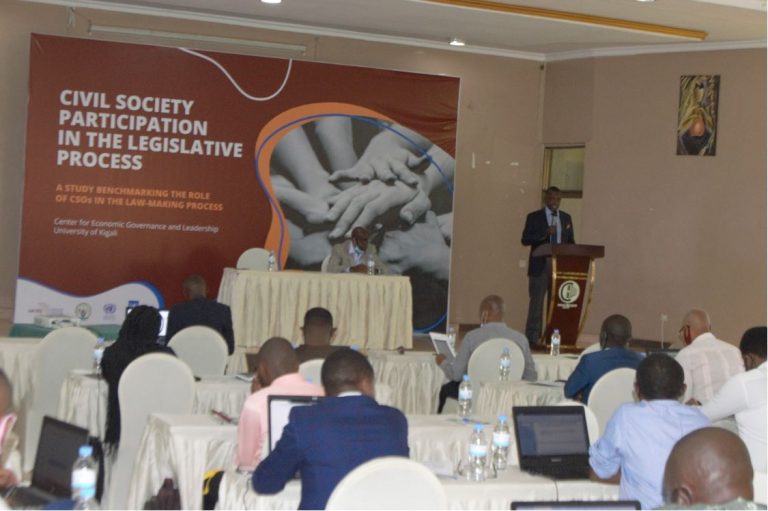
- Module Team: Idi Gaparayi
- Module Team: Samuel UWIZEYE
This course provides an in-depth understanding of Management Information Systems (MIS) and their role in modern business environments. Students will explore the fundamental concepts of Information Systems (IS), their resources, and their strategic applications in business decision-making.
The course covers various types of information systems, including Transaction Processing Systems (TPS), Decision Support Systems (DSS), and Enterprise Systems such as Enterprise Resource Planning (ERP), Customer Relationship Management (CRM), and Supply Chain Management (SCM).
A key focus is on the impact of the Internet and E-Business, exploring how organizations use intranets, extranets, and online collaboration tools to enhance efficiency and connectivity. Students will also analyze security risks, ethical challenges, and legal concerns associated with digital business environments, including computer crime, software piracy, and data privacy issues.
By the end of this course, students will develop a comprehensive understanding of how MIS contributes to business strategy and competitive advantage, preparing them to apply these concepts in real-world scenarios.
- Module Team: Bugingo Emmanuel
"Management Information Systems" may be defined as a series of coordinated processes whereby an organisation establishes a long-range plan of information technology based application systems - including those related to the Internet - in order to achieve its objectives for supporting and enhancing the mission, objectives and strategies of the organisations. This is usually followed by putting in place the appropriate infrastructure for the implementation of these information system' strategic plans.
This module provides concepts related information Systems Management and the uses of information systems in business scenarios and business organizations.
Module aims
- A basic understanding of MIS for business with an emphasis on information management.
- Knowledge of the underlying data structure of information systems and their different forms.
- Skills of applying MIS solutions to business challenges.
- Awareness of emerging IS applications and the associated business models.
Learning outcomes
| Attributes Developed | ||
|---|---|---|
| 1 | Understand various types of information systems at different managerial levels. | K |
| 2 | Develop a critical awareness of emerging ITs and their impact on business organizations | C |
| 3 | Comprehend how business data are captured, processed, and presented by information systems. | K |
| 4 | Perform basic data analysis tasks with Microsoft Excel and Access to support business decision making |
Module Resources
| Recommended Book Resources |
|---|
|
| Supplementary Book Resources |
|
- Module Team: Dr. MBANZABUGABO Jean Baptiste
- Module Team: Alain Christian Majyambere
- Module Team: FILIPO RUGIRA
- Module Team: Wellington MUHIRE
- Module Team: Niyonkuru Schiman
- Module Team: Cyprien SIKUBWABO
- Module Team: Moses Tumusiime
Over a period of some 30 years, we have seen the concept of strategy evolve. Aaker (1995) provides a historical perspective showing how this evolution has progressed and acknowledges that strategic activity has been described over the years as:
● Budgeting: Early strategic activity was concerned with budgetary and control mechanisms. Structured methods of allocating, monitoring and investigating variances from budget provided a means of managing complex processes
● Long-range planning: Here greater emphasis was placed on forecasting. Planning systems and processes tended to extrapolate current trends (with varying degrees of sophistication) and predict factors such as sales, profits and cost. Management could use such forecasts as a basis for decision making
● Strategic planning: In the era of strategic planning, great emphasis is placed on: (i) specifying the overall direction and (ii) centralised control of planning activities. While still based around forecasting and extrapolation of past trends, far greater attention is paid to understanding the business environment.
● Strategic management: We are currently in the age of strategic management. Strategic management concerns both the formulation of strategy and how such strategy is put into practice. While still undertaking analysis and forecasting, far greater prominence is placed on implementation. The concern is with managing change and transforming the organisation within an increasingly turbulent business environment.
- Module Team: Michael Gasare
This is a complete course of calculus. Topics include the
meaning, use, and interpretation of the functions, limits, derivative; techniques of
differentiation; applications to curve sketching and optimization in a
variety of disciplines; the definite integral and some applications; and
the Fundamental Theorem of Calculus.

- Module Team: Dr. Sindayigaya Samuel
Probability & Statistics introduces students to the basic concepts and logic of statistical reasoning and gives the students introductory-level practical ability to choose, generate, and properly interpret appropriate descriptive and inferential methods. In addition, the course helps students gain an appreciation for the diverse applications of statistics and its relevance to their lives and fields of study. The course does not assume any prior knowledge in statistics and its only prerequisite is basic algebra.This course provides an elementary introduction to probability and statistics with applications. Topics include: basic combinatorics, random variables, probability distributions, Bayesian inference, hypothesis testing, confidence intervals, and linear regression.

- Module Team: DAVID KABERUKA
- Module Team: Dr. Sindayigaya Samuel
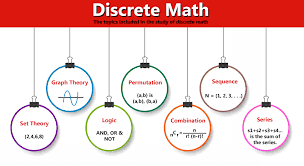
- Module Team: DAVID KABERUKA
- Module Team: Dr. Sindayigaya Samuel
Operations Research (OR) refers to the science of decision making. This module provides a survey of fundamental methods of Operations Research and their applications at an introductory level. The emphasis is on applications rather than the details of methodology. By the end of the module, students will be exposed to a wide variety of applications and problems that can be addressed using Operations Research techniques
- Module Team: Elysee Nsengiyumva
the course will capture introduction to programming, transportation
- Module Team: Dr. Sindayigaya Samuel
This module helps in solving problems in different environments that needs decisions. Operations Research studies analysis and planning of complex systems. This course will focus on mathematical modeling. A strong emphasis will be given to model formulation. On the methodology side, Linear and Integer Programming techniques will be introduced
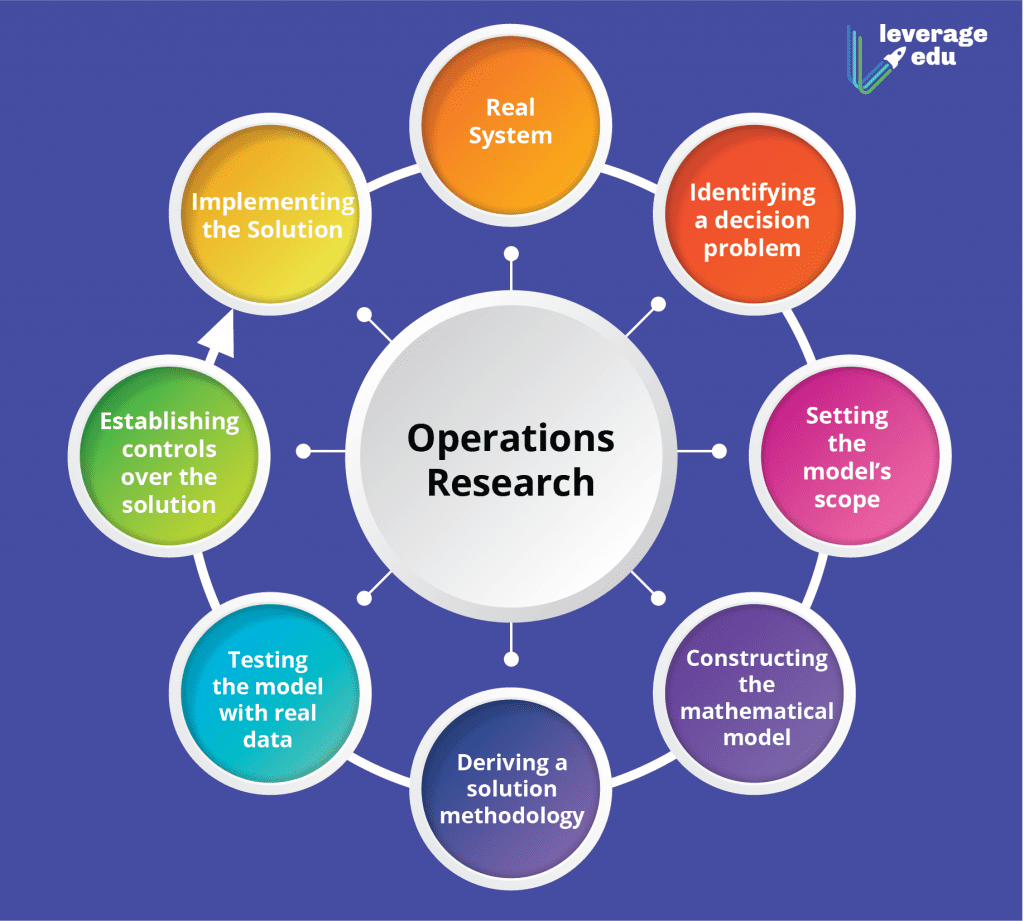
- Module Team: Dr. Sindayigaya Samuel
Having successfully completed the module, students should be able to:
i. Understand Project Organisation and Management
ii. Undertake Project Implementation successfully;
iii. Conduct Progress and Process Monitoring; and
iv. Understand Project Control.
- Module Team: Prof. Austin Ogbe
Project Risk management and Evaluation is a process used for the identification, assessment and analysis of potential risks to an organization or project. This process enables you to develop the most appropriate risk response, and to know:
- How the risk management process works as part of a compliance framework
- The Use of frameworks to identify, assess and analyse risks in a business context
- The Application of appropriate risk responses
- The Design and integration strategies for reporting and communicating risks to various stakeholders
- The use of a monitor and review process, and application of risk management as an iterative process
- Module Team: Prof. Austin Ogbe
The module aimed at helping students to understand the accounting legal framework, know the accounting principles in recording and reporting financial statements to end users.
- Module Team: Dr. Claude RUSIBANA
The overall aim of this course is to provide students with a broad set of ; leadership skills that will help to bring out the best in their direct reports, peers, and bosses throughout your career and to increase one's competencies in building more effective relationships. more with inter-personal issues than with intra-personal ones.
- Module Team: Prof Dr.NARAYAN Singh
Having successfully completed the module, students should be able to:
i. Understand Project Organisation and Management
ii. Undertake Project Implementation successfuly
iii. Conduct Progress and process Monitoring:
Understand Project Control.
- Module Team: Dr.Kwena Ronald
- Module Team: Dr Wilson Gachiri
Educational Research Methodology is a major course component of the Master of Education Program. The course is designed to expose students to basic concepts, principles, theories types and ethics of educational research. Students are taught in this course basic steps involved in planning, executing and reporting investigation in educational research using standard approaches.The course is expected to afford students opportunities to gain hands-on knowledge, skills and insight to nature and challenges of educational research designs and implementation.
- Module Team: Prof. Abdulrazaq Oniye
- Module Team: Marthe MUHIMPUNDU
- Module Team: Dr. HAKIZIMANA Leopord
General Introduction to the Course
This course underpins topics such as multimedia capturing, authoring, production, and compression techniques. Characteristics of various multimedia applications are also discussed. Deployment of media contents within Web applications is also discussed. Example of emerging technologies is also given.
Aims: This course aims to make students familiar with basic multimedia concepts that include capturing, authoring, production, compression and enhancing web accessibility using multimedia.
Learning Outcomes: At the end of this course unit this course students will be able to: Understand various multimedia technologies related concepts: multimedia capturing, authoring, production and compression, deploying multimedia contents within Web applications, and enhancing Web accessibility through multimedia
Teaching and learning pattern: Lectures, tutorials and group assignments
Content: Multimedia related terms and basic concepts. Techniques of multimedia capturing, authoring, production, compression and compression tools and techniques. Visual media formats: graphics, audio, video and their characteristics including interoperability. Using media contents. Enhancing Web accessibility using multimedia contents. Multimodal user interface and web accessibility. Appreciating the concept of virtual reality as an example of an emerging technology
Assessment method:
(i) Coursework: 60%
(ii) Final examination: 40%
Reference Books:
(i) Chapman, N., Chapman, J. (2000). Digital Multimedia. John Wiley & Sons Ltd. ISBN 0-471- 98386
(ii) Lee, W.W., Owens, D.L. (2000) Multimedia-Based Instructional Design. Jossey-Bass/ Pfeiffer. ISBN 0-7879-5159-5
(iii) Li, Z.-N., Drew, M.S. (2004). Fundamentals of Multimedia, Pearson Higher Education
Course Instructor:
Dr Hakizimana Leopord
Email: lhakizimana@uok.ac.rw
Tel:0783781289

- Module Team: Dr. HAKIZIMANA Leopord
In this Module students will explore some of the current multimedia and media content presentation technologies and techniques. Using skills with graphics, images, animation, and video techniques, students create dynamic marketing and promotional materials and services in reflection to new technologies that support multimedia systems. Mainly the aim is to impact students with technical skills in digital media by exploring the underlying technologies and the principles underpinning multimedia design and development.
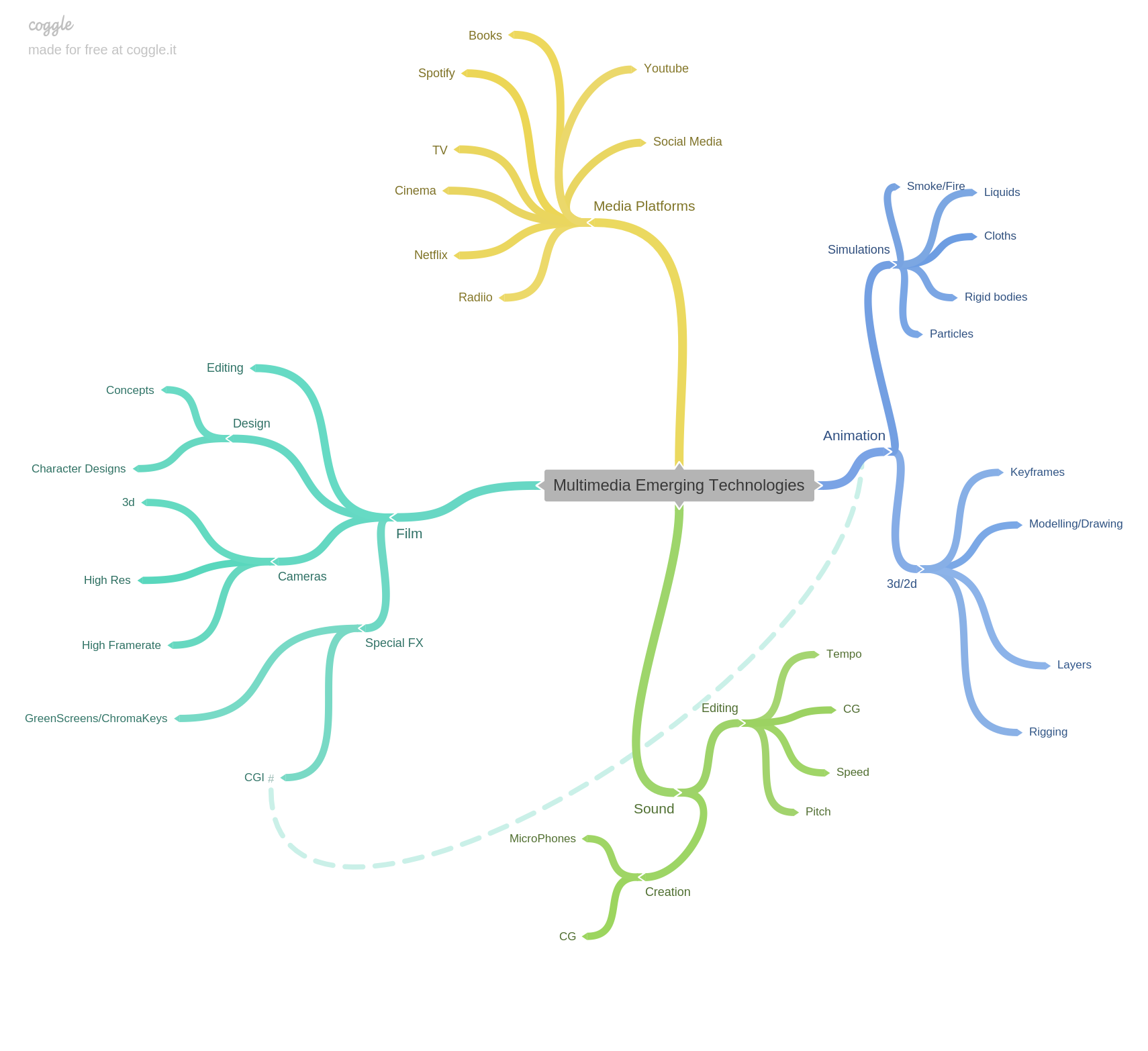
- Module Team: Dr. MBANZABUGABO Jean Baptiste
- Module Team: Dr. WILSON MUSONI
- Module Team: DAVID KABERUKA
At the end of this module .learns will be able to understanding deeply monetary policy
- Module Team: Evaliste GATABAZI
THE END OF THIS COURSE the student will be able
1.define
types
- Module Team: Evaliste GATABAZI
- Module Team: Marthe MUHIMPUNDU
Provide cost analysis for better decision making
Course Aims Cost benefit analysis is concerned with the theory and application of criteria for public investment decision-making. The purpose of this course is to develop an understanding of the principles of cost benefit analysis and to indicate the usefulness and limitations of the method by way of project evaluations and other varied examples on its implementation. Questions such as what costs and benefits are to be counted, what alternative investment decision criteria exist besides the popular discounted cash flow method, how do we appraise projects under conditions of uncertainty, and what could be done about distributional considerations? The problem of including non-market goods and their valuation is also highlighted and discussed in this course. Commodities such as scenic views, human life, time, environmental externalities, and recreation which are not exchanged explicitly in the market require shadowefficiency prices for inclusion into cost benefit analysis. Exercises and cases involving real and simulated cost benefit studies will be given where appropriate.
Intended Learning Outcomes (ILO) By the end of this course, you (as a student) would be able to:
1. Explain the CBA framework, the underlying welfare economics foundation
2. Differentiate CBA from other policy impact analysis tools, such as cost effectiveness analysis
3. Select and adopt an appropriate accounting stance
4. Measure and estimate the benefits and costs
5. Apply valuation techniques for intangible and non-market goods
6. Support the choice of discount rate adopted
7. Recognize equity impacts of policies, making adjustments where necessary
8. Identify uncertainties in future cost benefit stream, making adjustments where necessary
9. Choosing the right investment decision criterion
10. Evaluate the feasibility of projects using net present value, benefit cost ratio and internal rate of return where appropriate
11. Modify the application of CBA in specific contexts, including in developing countries, for specific sectors such as public health and transport
12. Apply CBA to policy in question
- Module Team: Dr. Claude RUSIBANA
This module aims at
1. Understand Supply Chain Management as a wider concept than logistics
2. Appreciate the impact on competitive advantages
3. Consider the various interfaces in the organisational context and for internal and external stakeholders
4. Evaluate different designs of the supply chain
5. Understand the management of cross-functional drivers
- Module Team: Hon Dr. Gamariel MBONIMANA
This session introduces the learner to basic negotiation skills and tactics needed in negotiating procurement contract transactions. By the end of this session, the learner should be able to;-
a) Define the basic concepts and techniques in negotiations
b) Appreciate the importance /purpose of negotiation in procurement
c) Demonstrate the use of different approaches and styles of negotiation
d) Understand the qualities of a good /successful negotiator
e) Demonstrate the understanding of the negotiation procedure / process
f) Tactics and strategies like body language used while negotiating
g) Challenges or barriers to negotiation
h) Prepare just, free, and transparent negotiations on behalf of their companies
i) Learn how to solve disputes without conflicting with the concerned parties
management of the procurement contract as well as terms and conditions required for parties.

- Module Team: Dr. JOSEPH AKUMUNTU
- Module Team: Samuel UWIZEYE
- Module Team: Dr. Jean de Dieu Dushimimana
This course introduces some basic principles of computer-based networking; Computer Networks not only provides information and resource sharing but also expedite communication between hosts. This module is aimed to provide adequate knowledge regarding computer networks and Networking devices configuration. Through this module, students will learn how to plan for computer networks, OSI and TCP/IP models and Basic Router configuration.
This course introduces some basic
principles of computer-based networking; Computer Networks not
only provides information and resource sharing but also expedite communication
between hosts. This module is aimed to provide adequate knowledge regarding
computer networks and Networking devices configuration. Through this module, students
will learn how to plan for computer networks, OSI and TCP/IP models and Basic
Router configuration.

- Module Team: Jean Paul NIZEYIMANA
- Module Team: Samuel UWIZEYE
- Lecturer: Nkundabanzi Pacifique
- Module Team: Alain Christian Majyambere
- Lecturer: University of Kigali (UoK)
Brief Description of Aims and Content
This module introduces the core concepts of an object-oriented perspective in Java necessary to understand the grammar of Java, operators, data types, expressions, blocks, statements and control structures, standard mathematical functions and Strings, arrays, I/O streams and file input/output as well as output formatting to develop small applications (programming in the small) and provide students with the ability to write large applications (programming in the large) using object-oriented programming to solve real application problems.
1. Introduction
· Internet origin and development
· Internet architecture framework
· World Wide Web
2. Introduction to Java
· Java Evolution: History, Features
· Java vs C and C++
· Java and the Internet / World Wide Web
· Web Browsers
· Hardware and Software Requirements
· Java Support Systems and Environment
3. Learning the Basics of Java Language
· Java Programming Basics
· Structure of a Java Program
· Simple Programs with Two Classes
· Java Tokens and Statements
· Implementing a Java Program
· Java Virtual Machine (JVM)
· Command Line Arguments
· Programming Style
4. Constants, Variables, and Data Types
· Constants, Variables
· Data Types
· Declaration and Initialization
· Scope and Symbolic Constants
· Type Casting
· Default Values
5. Operators and Expressions
· Arithmetic, Relational, Logical, Assignment Operators
· Increment/Decrement, Conditional, Bitwise, Special Operators
· Arithmetic Expressions, Evaluation
· Precedence and Type Conversion (Autoboxing/Unboxing)
6. Decision Making and Looping
· `if`, `if-else`, Nested `if-else`, `else-if` Ladder
· `switch` Statement, Ternary (`?:`) Operator
· Loops: `while`, `do-while`, `for`
· Loop Control: `break`, `continue`, Labeled Loops
7. Arrays, Strings, and Vectors
· One-dimensional Arrays
· Strings and String Methods
· Introduction to Vectors
· Wrapper Classes
8. Object-Oriented Programming in Java
· The Object Paradigm
· Classes and Objects
· Encapsulation, Inheritance, Polymorphism, Abstraction
· Interfaces
· Accessing Members, Constructors
· Method Overloading, Static Members
9. Java Packages
· Introduction to Packages
· Java API Packages
· Creating and Using Custom Packages
· Naming Conventions
· Hiding Classes
10. Exception Handling
· Types of Errors
· Try-Catch Blocks
· Multiple Catch Statements
· Finally Block
· Throwing Custom Exceptions
· Using Exceptions for Debugging
11. Multithreaded Programming
· Thread Lifecycle
· Creating Threads (Extending Thread/Implementing Runnable)
· Thread Methods and Exceptions
· Synchronization
· Thread Priorities
12. Applet Programming
· Applets vs Applications
· Applet Lifecycle
· Writing and Running Applets
· HTML Integration and Applet Tags
· Passing Parameters
· Input from Users
· Displaying Output
13. Graphics and GUI Programming
· Graphics Class
· Drawing Lines, Rectangles, Circles, Polygons
· Bar Charts, Line Graphs, Arcs
· Basics of GUI Design
· AWT Components and Layout Managers
· Menus, Containers
· Swing Components
· Using `java.util` and Collections (e.g., Map)
14. File Input/Output and Stream Handling
· Java I/O Streams Overview
· Byte and Character Streams
· File Class
· Reading/Writing Bytes and Characters
· Buffered Streams
· I/O Exceptions
· Handling Primitive Data
· Interactive Input and Output
15. Working with Relational Databases
· JDBC Concepts and Metadata
· Selecting Database Drivers
· Writing JDBC Programs
· Establishing Connections
· Executing Statements
- Module Team: Bugingo Emmanuel
This course introduces you to object-oriented programming (OOP) using the VB.net as a programming language. OOP is a computer programming model that organizes software design around data, or objects, rather than functions and logic. It aims to implement real-world entities like inheritance, hiding, polymorphism and abstraction in programming. The main aim of OOP is to bind together the data and the functions that operate on them so that no other part of the code can access this data except that function. In this course, you will look at how each OOP feature can be implemented using real world examples. The course has different activities designed to check your knowledge, build your understanding, apply practical knowledge, and assess your skills and competencies.
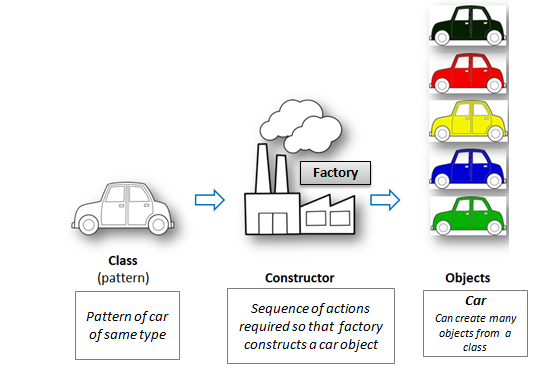
- Module Team: Alain Christian Majyambere
The purpose of this module is to equip students with good knowledge in Judicial law. Students will be capable to know how the Rwandan justice system works and the laws governing the organisation, functioning and jurisdiction of courts in Rwanda.
The Constitution of the Republic of Rwanda of 2003 revised in 2015 entrusts the Judiciary with the mission of protection of rights and freedom. The Judiciary is composed of ordinary Courts and specialised Courts. The High Council of the Judiciary is the Supreme governing organ of the Judiciary. It sets general guidelines governing the organisation of the Judiciary. The Judiciary is Independent and exercises financial and administrative autonomy. (See articles 43, 148, 149, 150, 151).
The principles governing the Judiciary are the following:
1° Justice is rendered in the name of the people and nobody may be a Judge in his or her own cause;
2° Court proceedings are conducted in public unless the Court determines that proceedings be held in camera in circumstances provided by the law;
3° Every judgement must indicate its basis, be written in its entirety, and delivered in public together with the grounds and the decision taken;
4° Court rulings are binding on all parties concerned the public authorities or individuals. They cannot be challenged except through procedures determined by law;
5° In exercising their judicial functions, judges at all times do it in accordance with the law and are independent from any power or authority.
Organisation and Competence of Courts
Article 152 of Rwanda constitution of 2003 as revised in 2015 provides that courts consist of Ordinary and Specialized Courts.
Ordinary Courts are comprised of:
- The Supreme Court,
- Court of Appeal,
- the High Court,
- Intermediate Courts, and
- Primary Courts.
Specialised Courts are comprised of Commercial Courts and Military Courts. An organic law may establish or remove an ordinary or specialised court.
The courts have two levels of appeal in the following hierarchy from the lower to the highest Court:
Primary Courts
There are 41 Primary Courts and they rule over original civil and criminal matters as defined in the law that determines the Organisation, functioning and competence of courts.
Intermediate Courts
There are 12 intermediate courts in the country. The Intermediate Courts have both original and appellate jurisdiction in civil, criminal and administrative matters.
High Court
The High Court is based in the City of Kigali and has five chambers located in Musanze, Nyanza, Rwamagana and Rusizi which have both original and appellate jurisdiction in civil, criminal and administrative matters. The fifth chamber is the specialised chamber dealing with International Crimes.
The commercial courts
Commercial court: Has original Jurisdiction over commercial cases Commercial High Court: Has the appellate jurisdiction over commercial cases Military courts include:
The Military Court
The Military High Court Court of Appeal: The Court of Appeal adjudicates on appeal level cases handled by the High court, the Commercial High Court and the Military High Court in accordance with the relevant laws.
Supreme Court
The Supreme Court is the highest court in the country. Its territorial Jurisdiction covers the entire territory of the Republic of Rwanda. It has original and appellate Jurisdiction in Civil, Criminal, Commercial and Administrative matters as defined by the law n°30/2018 of 02/06/2018 determining the jurisdiction of courts.
The Judiciary is under the authority of the High Council of Judiciary which is chaired by the Honourable Chief Justice who is also the President of Supreme Court. Each court is led by a President. The courts are supported with the Administration staff under the Secretary General’s Services.
- Module Team: Dr. Alfred MWENEDATA
- Lecturer: Nkundabanzi Pacifique
- Module Team: Elysee Nsengiyumva
COURSE PURPOSE
To familiarize students with basic knowledge on general principles of curriculum development and its application to teacher education.
 CURRICULUM DEVELOPMENT.png
- Module Team: Samuel KABERA
The Purpose of this module is to provide students with knowledge and information on component parts of personality development as a core element of Early Childhood Education.
- Module Team: Prof. Abdulrazaq Oniye
The purpose of Analog and Digital Electronics module is to understand:
Analog Circuits and Digital Circuits as a classic way of differentiating between two types of electronic circuits based on the signals they process. To put it in simple words, Analog Circuits deals with continuous analog signals whereas Digital Circuits deals with discrete digital signals.
Student will get knowledge in technological designs, computations and their implementation based on electronics, applicable in area such as sensing, robotics and wireless communication systems. To address today's and future challenges.

- Module Team: Alain Christian Majyambere
- Module Team: Valence NSENGIYUMVA
MODULE DESCRIPTION - PRINCIPLES OF MANAGEMENT
1. Module Code: BMM 112 Faculties: BUSINESS MANAGEMENTAND ECONOMICS
2. Module Title: PRINCIPLES OF MANAGEMENT
3. Level: 1 Trimester: 1 Credits: 15
4. First year of presentation: 2021 Administering Faculty: BME
5. Pre-requisite: NONE
The objective of the module is to enable students to identify measures and to interpret similarities and differences in the behavior, techniques and practices of management in the World in order to acquire applicable practices to a local setting such as Rwanda.- Module Team: Prof. Olawumi Awolusi
- Module Team: Noé NIYIGENA
This course will help you to understand

- Module Team: Dr. MBANZABUGABO Jean Baptiste
- Module Team: Prof. Abdulrazaq Oniye
- Module Team: Regine UWIHIRWE
HHFJHSGSHFJHKSFJ

- Module Team: Dr.Kwena Ronald
- Module Team: Dr. Sindayigaya Samuel
- Module Team: MUZUNGU SHYAKA Eric
Private international law despite its name is the part of domestic law which deals with situations, issues containing a foreign element (or élément d’extranéité in French).
- Module Team: Viateur BANGAYANDUSHA
•The
field of
Private International Law also known as, Conflict of
Laws, is concerned
with
those problems
arising from disputes implicating the laws of more than a single jurisdiction.
The
main objective of this module is to provide a practical and legal background to
the nature and function of the Conflict of Laws and the international
institutional and convention rules and regulations of dispute resolution to
enable graduates to apply these principles in a professional and competent
manner in international dispute resolution processes.
- Module Team: Dr.Jean de Dieu ZIKAMABAHARI
- Module Team: Viateur BANGAYANDUSHA
- Module Team: Makuza Rutishereka
- Module Team: KAMALI SEBAKUNGU
Probability & Statistics introduces students to the concepts and logic of statistical reasoning and gives the students introductory-level practical ability to choose, generate, and properly interpret appropriate descriptive and inferential methods.
- Module Team: Cyriaque HAKIZUMUREMYI
- Module Team: Cyprien SIKUBWABO
- Module Team: Elijah Kihooto Maringa
- Module Team: Dr. Amini NGABONZIZA Jean de Dieu
- Module Team: Dr. Amini NGABONZIZA Jean de Dieu
This module aims to show the essential elements, programming constructs of C language to students, which can help them to make real life programs. The module provides the analytical knowledge and practical skills to analyze, understand and solve computer problems.
Gain the knowledge to write simple C language applications and undertake future courses that assume some background in computer programming

- Module Team: Jean Paul NIZEYIMANA
- Module Team: Dr. Luc Ngend Einstein
- Module Team: Prof. Austin Ogbe
Having successfully completed the module, students should be able to:
i. Understand Total Quality Management
ii. Understand Quality Assurance and Quality control
iii. Understand Quality Standards:
iv. Understand Quality teams
Understand TQM PrinciplesHaving successfully completed the module, students should be able to:
i. Understand Project Risks and Types
ii. Undertake Project risk management
iii. Understand Project risk management tools and techniques
iv. Conduct Project Evaluation and audit
v. Understand Risk and evaluation methodologies
- Module Team: Dr.Kwena Ronald
This course shall provide an introduction to the subject of public international law. It shall address the background, subjects and sources of international law; states and international organizations as subjects of international law; state jurisdiction over individuals, land, water and outer space; state responsibility for violations of international law; state and diplomatic immunities; the system of the United Nations; and lawful use of force. During classes, current affairs will be discussed and analyzed.
Public International Law is
composed of the laws, rules, and principles of general application that deal
with the conduct of nation states and international organizations among
themselves as well as the relationships between nation states and international
organizations with persons, whether natural or juridical. Public International
Law is sometimes called the "law of nations" or just simply
International Law. It should not be confused with Private International Law,
which is primarily concerned with the resolution of conflict of laws in the
international setting, determining the law of which country is applicable to
specific situations. In researching this field of law the researcher must also
be aware of Comparative Law, the study of differences and
similarities between the laws of different countries. Comparative Law is the
study of the different legal systems in existence in the world, i.e;
common law, civil law, socialist law, Islamic law, Hindu law, and Chinese law.
This module is an in-depth exploration of
the foundations and core rules and principles of public international law,
including key systemic concerns such as fragmentation and
constitutionalisation. International law has a range of specialist
fields or subject areas which are taught as modules in the LLB programme –
including, among numerous examples, international human rights law, international
environmental law, and international investment law. But international law also
has a ‘general’ part, which applies across all of these specialisms. Any international lawyer must understand
not only their specialist area of practice, but also the general international
law framework which gives their subject its foundations and within which the
specialist subject areas operate. The general rules of international law are,
however, more than merely a framework – they remain the most important rules for
many of the most significant problems and disputes in international law. This module provides an overview and
analysis of the core general rules and principles of international law,
exploring these rules and principles in both their historical and modern
contexts. It does not require previous knowledge of international law, but it
will examine the material in more depth and with a more critical perspective
than undergraduate treatments. There is a focus on the key contemporary
problems and issues, and on the shifts in international law over the last 100
years which inform current debates. It also seeks to examine broader themes in
the historical development of international law – for example, the extent to
which international law is modelled on the idea of ‘private law’ between
sovereign states (including, for example, treaties as inter-state contracts),
and the extent to which it is an emerging legal system, reliant also on public
law ideas (including, for example, the role of peremptory norms as fundamental
principles, or the debate about whether international law is undergoing
‘constitutionalisation’). The module will benefit any student who
would like to develop further their understanding of international law’s core
principles, including particularly students taking one or more of the
specialist modules in international law who, wisely, would also like to enhance
their knowledge and understanding of general international law.
- Module Team: Dr.Jean de Dieu ZIKAMABAHARI
Description:The subject area of public policy and management refers to all systems, processes and tools that public authorities employ to fulfil citizens’ expectations and deliver public services.
Whatever the domain of intervention – from healthcare to energy, transportation to environment – public authorities make decisions about how to assess the present state of affairs and future tendencies, whether anything should be done about them, and how they can use resources and mechanisms to steer the conduct of individuals, firms and NGOs towards the desired effects.
Policy and program implementation is fraught with challenges as public and nonprofit leaders juggle organizational missions and stakeholder expectations while managing policy and program impact and effectiveness. Using their own experience in practice, teaching, and research, the authors empower policy and program implementers to recognize their essential roles within the workplace and help them cultivate the analytical and social skills necessary to change.
Indicative Content:
1. Public Policy and Management: Perspectives and Issues
2. Public Policy and Strategy
3. Decentralisation and Local Governance
4. Environmental and Social Impact Assessment
5. Public Policy and Management: Development Assistance
6. Regulation of Infrastructure and Utilities
Additional areas for independent research
7. The IMF and Economic Policy.
8. Other policy reports e.g., Startup Genome, GSMA, ADEA etc.
Instructor:
Professor Nnamdi Madichie, Centre for Economic Governance & leadership, UoK
- Module Team: Prof. Madichie Nnamdi
- Module Team: Dr. Jean de Dieu Dushimimana
- Lecturer: Willber Ncondo
- Module Team: Robert AGABA
- Module Team: Emmanuel NIYONSENGA
- Lecturer: Manzi Innocent
The course is concerned with removal of trade barriers between countries to encourage free trade.
- Module Team: Dr. Peter Kalimba
Research methodology is a way of explaining how a researcher intends to carry out their research. It's a logical, systematic plan to resolve a research problem. A methodology details a researcher's approach to the research to ensure reliable, valid results that address their aims and objectives.

- Module Team: Bugingo Emmanuel
- Module Team: Alain Christian Majyambere
This module aims to develop an understanding of research methodology and the process of research to enable students to effectively undertake the dissertation. At the end of this module students will develop a minor project in the field of ICT.

- Module Team: Jean Paul NIZEYIMANA

- Module Team: Bugingo Emmanuel
- Module Team: Cyprien SIKUBWABO
This Module aims to develop student understanding in respect to making best use of internal and external resources on project based endeavours. It will cover recognised principles in respect to sourcing resources and services as well as appropriate personnel for projects. Topics will include procurement practice and planning, delivery models, documentation, tendering and source selection, contract administration, human resources management, team planning, recruitment and development.
- Module Team: Dr. Jean de Dieu Dushimimana
- Module Team: Cyprien SIKUBWABO
Welcome to online Research proposals and final research project s in the School of Computing and Information Technology
The presenter has to turn on the video while presenting for verification and the entire session for a particular presenter will be recorded for HEC record.
- Module Team: ISHIMWE Olivier Angel Kevin
- Module Team: MUHIRE LEONCE BARIHUTA
- Module Team: Dr. MBANZABUGABO Jean Baptiste
- Module Team: James KARAMUZI
- Module Team: Dr. WILSON MUSONI
- Module Team: Innocent NDARISHIZE
- Module Team: GASORE NKURUNZIZA
- Module Team: Valence NSENGIYUMVA
- Module Team: MERCY NYAKUNDI
- Module Team: Geofrey Twesigye
This is a Standarised English Language Test (SELT) for graduating students 2024 as pre-requisite by the Higher Education Council (HEC), Rwanda.
Instructions:
1. The test comprises 50 questions. Attempt all questions.
2. You have one hour to complete the test.
3. Read instruction at the beginning of each question
4. Mobile phones are not allowed in testing room
This is a Standarised English Language Test (SELT) for graduating students 2024 as pre-requisite by the Higher Education Council (HEC), Rwanda.
Instructions:
1. The test comprises 30 questions. Attempt all questions.
2. You have one hour to complete the test.
3. Read instruction at the beginning of each question
4. Mobile phones are not allowed in testing room
- Module Team: Prof. Abdulrazaq Oniye
- Module Team: Prof. Abdulrazaq Oniye
This is a Standarised English Language Test (SELT) for graduating students 2022 as pre-requisite by the Higher Education Council (HEC), Rwanda.
Instructions:
1. The test comprises 30 questions. Attempt all questions.
2. You have one hour to complete the test.
3. Read instruction at the beginning of each question
4. Mobile phones are not allowed in testing room
- Module Team: Albert Abasenga
- Module Team: Dr. Amini NGABONZIZA Jean de Dieu
- This Module will delivered as seminar to provide an introduction to the overall concept of the protection of intellectual effort and IT innovation goodwill.
- It will provide an understanding of the requirements for subsistence (or registration) of each intellectual property right, Intellectual Property Law and the scope of protection provided by each.
- However it will also stress, and give examples of, the co-existence and layering of separate rights in a single work.
- It will also highlight the differences between monopoly rights, anti-copying rights, rights protecting goodwill, invention and authors moral rights and the historical context of their development.
- Module Team: Bugingo Emmanuel
This is a Standardised English Language Test (SELT) for graduating students in 2023 as a pre-requisite by the Higher Education Council (HEC), Rwanda.
Instructions:
1. The test comprises 30 questions. Attempt all questions.
2. You have one hour to complete the test.
3. Read instructions at the beginning of each question
4. Mobile phones are not allowed in the testing room
- Module Team: UMUHOZA Bonheur
- Module Team: Dr. Amini NGABONZIZA Jean de Dieu
- Module Team: Prof. Abdulrazaq Oniye
This module focuses on the history of law and comparative law. The Legal history and comparative Law are the bases on which any country rely on. In this module, comparative law and the legal history forms respectively part I and part II.

- Module Team: MOPHU KOUOSSU GUILPIN
Having successfully completed the course,
students should be able to:
v Describe the functions of culture in early childhood development.
v Outline the developmental stages of the child according to Cognitive development theory
v Behavioral theory
v Discuss the theories of personality and personality traits in a child and how it affects the early childhood development.
v Advocate on agents of socialization in child development.
- Module Team: Samuel KABERA
- Module Team: Viateur BANGAYANDUSHA
- Module Team: Cyprien SIKUBWABO
- Module Team: Cyriaque HAKIZUMUREMYI
- Module Team: Cyriaque HAKIZUMUREMYI
- Module Team: Dr. Jean de Dieu Dushimimana
Dear students,
I warmly welcome you to the module MED 608: Student Welfare Management and Administration. This is a module taught to all MED students in the University of Kigali - Graduate School. The module is delivered through blended learning (online and face to face). It is organized and divided into four (4) sections:
- Students’ Welfare Needs
Student Welfare Policy
- Students Welfare Programs:
- Administration of Students Welfare
Module aim
The aim of this module is to equip you with knowledge and skills in student welfare management and administration that are helpful in facilitating personal, social, academic , career guidance and development of students.
Module learning outcomes
By the end of this module, the students should be able to:
- Explain the concepts of Students’ Welfare Needs and their components;
- Analyze and implement the Student Welfare Policy
- Organize students Welfare Programs
- Establish the administration of Students Welfare
Module Facilitator
Dr. Elizabeth A. Owino, a Lecturer in the School of Education> Contact: +2507893899715, email: oakinyi@uok.ac.rw
- Module Team: Dr. Owino Akinyi, E.
- Module Team: Prof. Abdulrazaq Oniye
- Module Team: JEAN PIERRE HABIMANA
- Module Team: Samuel KABERA
Introduction part
- Module Team: Wellington MUHIRE
- Module Team: Emmanuel NIYONSENGA
- Module Team: Therese Nyampinga
- Module Team: FILIPO RUGIRA
- Module Team: Makuza Rutishereka
- Module Team: Dr. Luc Ngend Einstein
The module describes the meaning, origin, and evolution of management, management theories; acts and statuses; Leadership; power; authority; control; change and conflict; organizational culture and division of labor; ideology in higher education in developing countries; elite and mass education; access to higher education; academic and administrative concerns; policy formulation and decision-making; funding of higher education and accountability; inter-institutional cooperation and educational development; institutional performance measurement; physical plant planning and development and maintenance; public versus private institutions of higher learning; marketing of higher education.
- Module Team: Prof. Abdulrazaq Oniye
This course will enable students to understand fundamental principles of value creation for the consumers or the market. We try to answer questions like how the product.
- Total Quality Management and Quality Management Philosophies
- Customer Value Evaluation, Kaizen, Problem Solving and Quality Management
- Elementary concepts related to 7 Old and 7 New Tools for quality Assurance
- Basic Statistical Concepts and Control of Accuracy and Precision
- Process Capability, SPC, Acceptance Sampling
- Quality Management Systems, ISO 9000
- Module Team: Dr. Anthony Uwaya
With communication any kind of activity can be planned, organized, and carried through effective communication. That is why we should take this module seriously as future administrators. This is because Good communication skills can be learned and can be used to effectively deliver a message for the betterment of any organization.
- Module Team: Prof. Dr. Wasajja Kiwanuka
- Module Team: Oliver Nakafeero
- Module Team: Samuel UWIZEYE
This module aims to develop an understanding of the components of digital Computer System , its functions and types and applications in organizations. It also aims to provide a practical knowledge to use computer software and information technology at large as well as ethical and security issues associated with the use of information Technology.
At the end of this course, students will have all practical skills of Computer Essentials , Microsoft office package( Microsoft Word, Microsoft Excel, Microsoft Power Point and Microsoft Access) and finally effective use of Internet.

- Module Team: ISHIMWE Olivier Angel Kevin
- Module Team: Serge Mbaraga
- Module Team: GASORE NKURUNZIZA
- Lecturer: bosco habimana
- Module Team: Samuel UWIZEYE